
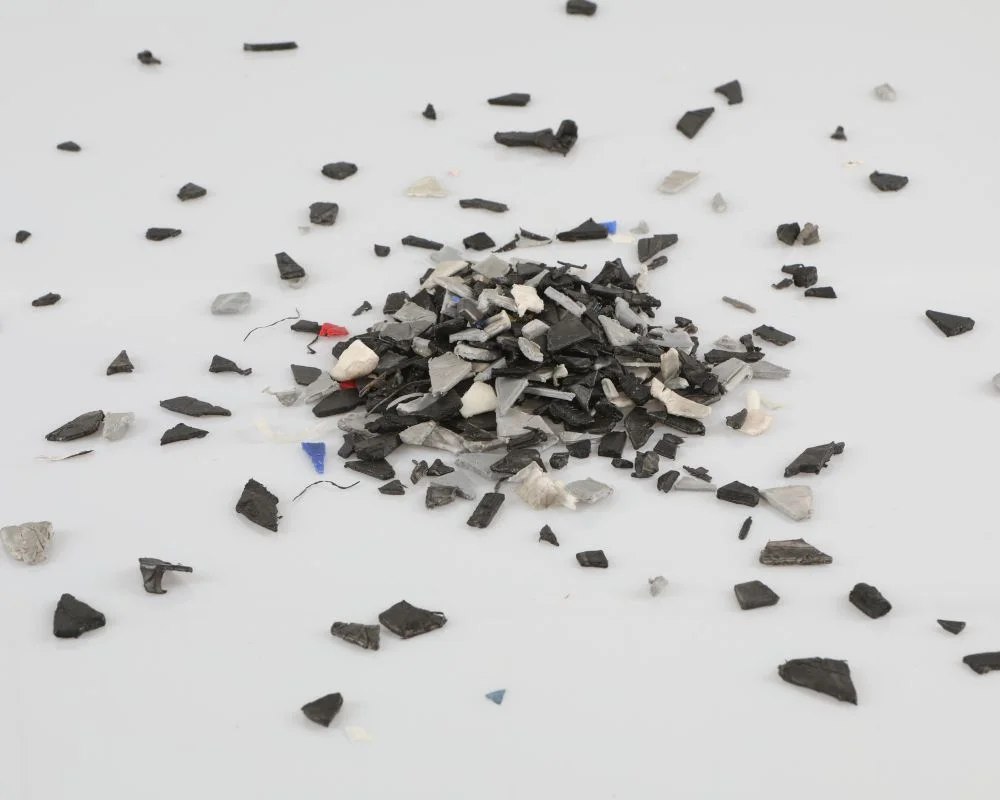
Colored PP Copolymer: Properties, Applications and Recycling Process
Plastic manufacturers need to consider many factors when selecting raw materials, including mechanical strength, impact resistance, processability, color consistency and suitability for the intended production method. The properties of the

Deposit Machine Problems: Rejection Reasons and Solutions
Introduction Deposit machine problems are among the most common issues consumers experience when returning plastic bottles, glass bottles and aluminium cans. A container placed inside a deposit return machine may

Deposit Packaging Recycling Process | Burkasan
Introduction Deposit packaging recycling is one of the most effective systems for collecting used beverage packaging and bringing it back into the circular economy. Instead of treating plastic, glass or
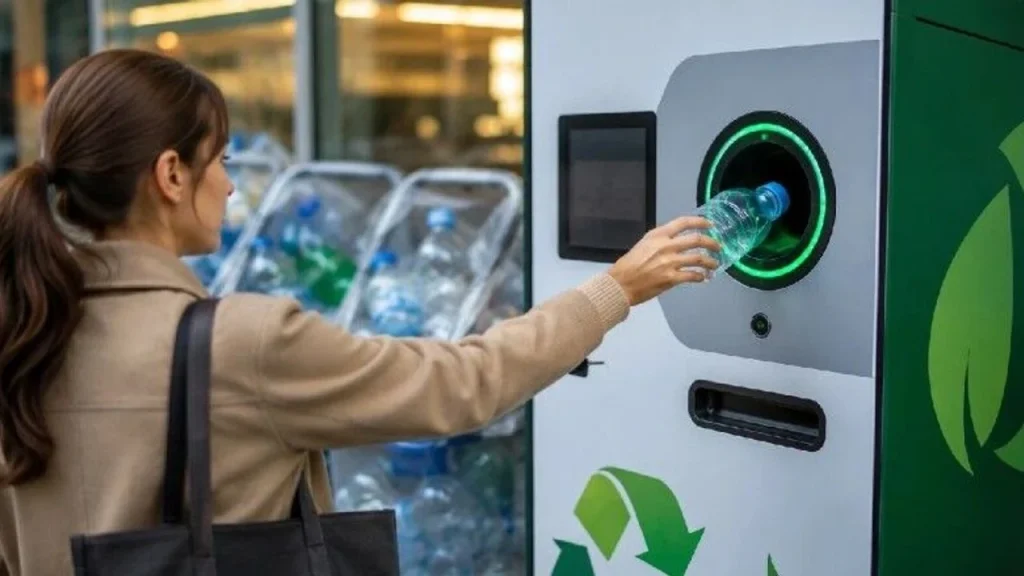
Glass Bottle Deposit System: A New Step Toward Sustainable Recycling
The glass bottle deposit system is an effective recycling model designed to prevent beverage packaging from becoming ordinary waste after consumption. In this system, consumers pay a deposit fee when
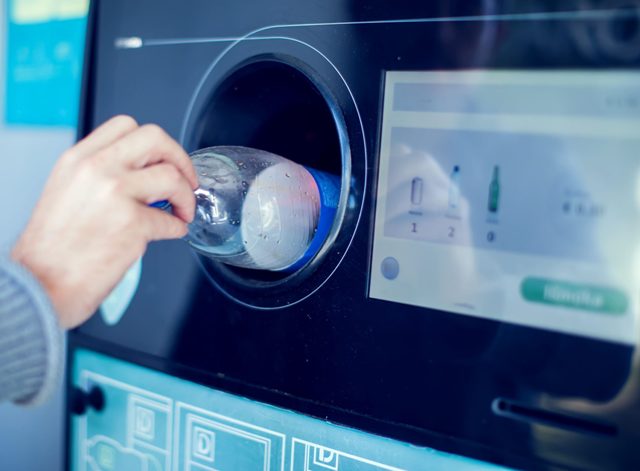
Plastic Bottle Deposit System: How It Works and Why It Matters for Recycling
Introduction The plastic bottle deposit system is one of the most effective models used to prevent beverage packaging from becoming waste and to bring recyclable materials back into the economy.
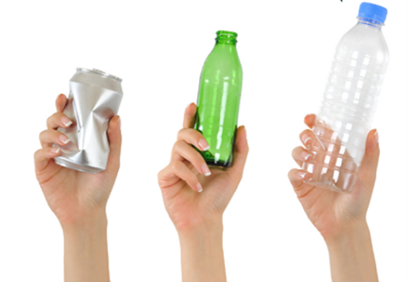
How Does the Deposit System Affect Consumer Habits?
Introduction The deposit system is an environmental and economic model that directly affects consumer habits. In daily life, plastic bottles, glass bottles, and metal beverage packaging are often seen as

Why Is the Deposit System Important for Municipalities?
Introduction The deposit system for municipalities is not only a new model for collecting packaging waste. It is also a strategic environmental management tool that directly supports city cleanliness, recycling

Why Are Deposit Recycling Facilities Important?
Deposit recycling facilities play a critical role in modern waste management. The deposit system does not only create a new collection model. It also supports cleaner raw materials, more efficient
Deposit System for Supermarkets: Return Process, Recycling Impact and Business Advantages
Deposit system for supermarkets is an important recycling model that helps beverage packaging return to the economy after consumption. In this system, consumers pay a deposit fee for the packaging
Economic Advantages of the Deposit Return System
Introduction Deposit system economy creates financial value by reducing waste costs, improving recycling efficiency, and keeping recyclable packaging within the production cycle.This system creates value for producers, consumers, municipalities, recycling
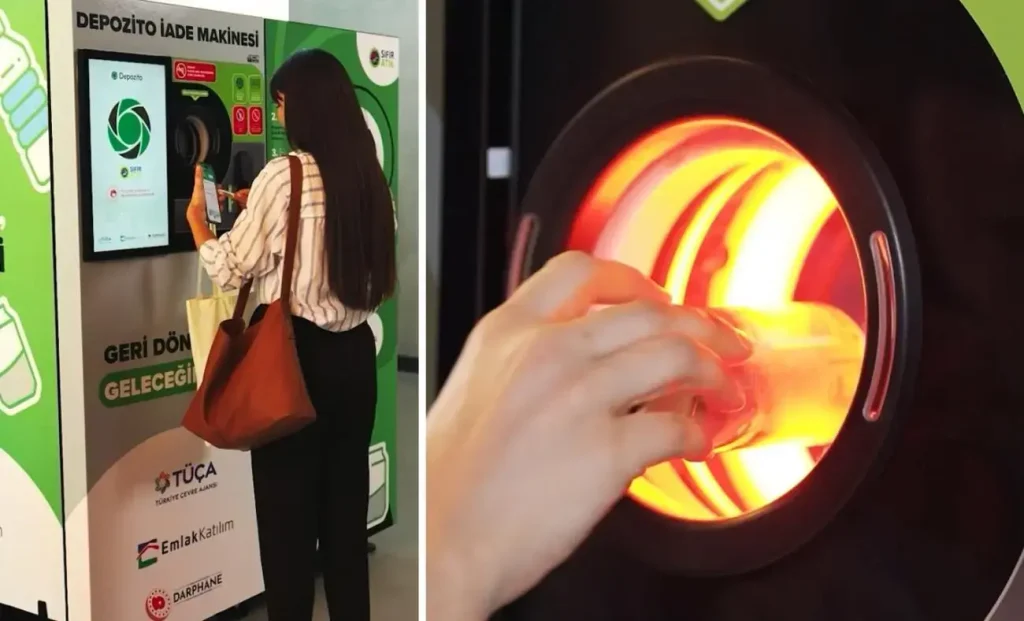
Deposit System for Businesses: A New Era in Sustainable Waste Management
Introduction The deposit system for businesses is an important management model that enables packaging waste to be collected, tracked and recovered in a more controlled way. Beverage packaging, plastic bottles,
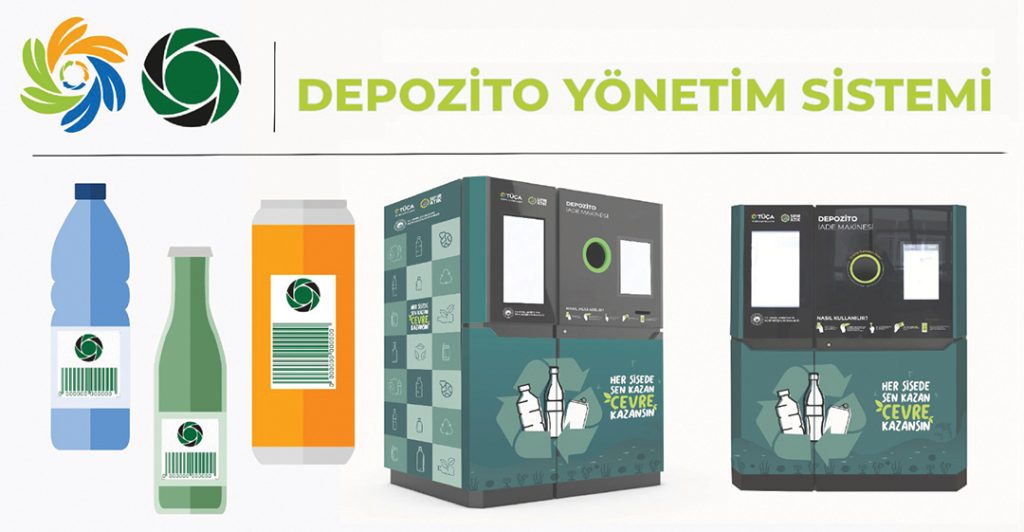
Environmental Effects of the Deposit System: A Critical Step for a Sustainable Future
Introduction With increasing consumption habits today, packaging waste is growing rapidly. Especially the uncontrolled disposal of plastic, glass, and metal packaging significantly increases soil, water, and air pollution. At this
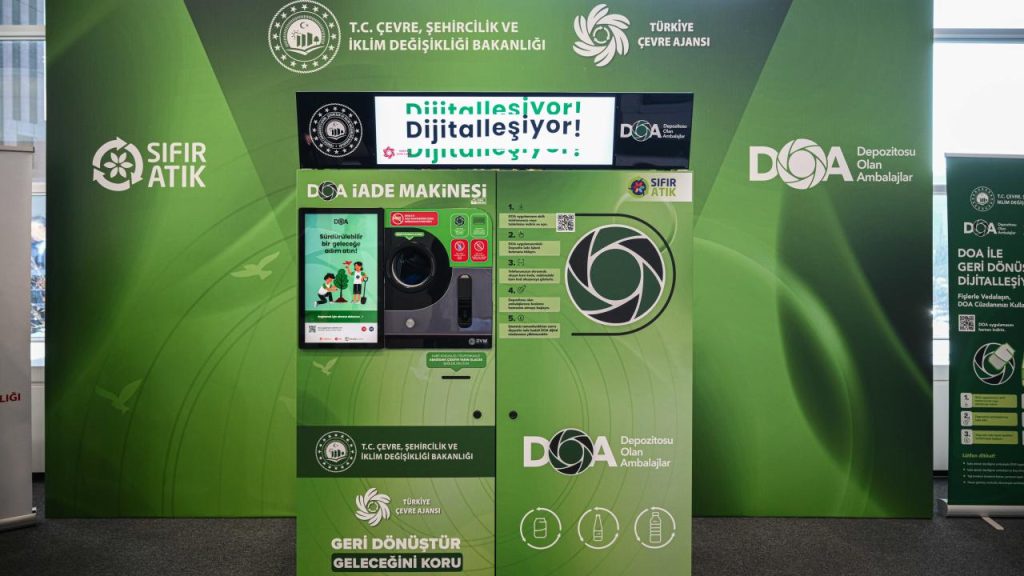
What Is a Deposit Return Machine? Its Role in Recycling and Key Advantages
Introduction A deposit return machine is one of the most critical components of modern waste management systems. As the consumption of plastic, glass, and metal packaging continues to increase, the
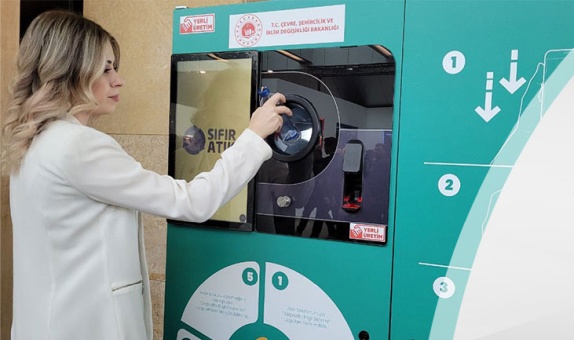
Deposit Application in Turkey: How the System Works, Scope, and Benefits
Introduction The deposit application in Turkey has emerged as a strategic solution to transform waste management and recycling processes. As the consumption of plastic, glass, and metal beverage packaging continues
Advantages of the Deposit Return System: Environmental and Economic Benefits
Introduction The advantages of the deposit return system have positioned it as one of the most effective tools within modern sustainability strategies and circular economy models. As consumption continues to