
Introduction
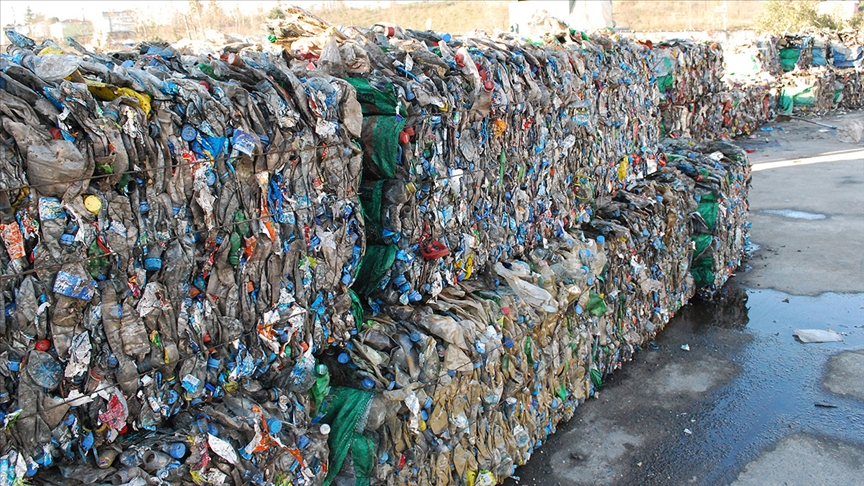
Plastic waste imports refer to the cross-border movement of recyclable plastic materials from one country to another under specific environmental, technical and commercial rules. This activity should not be considered simply as international trade. It involves environmental legislation, customs procedures, facility competence, waste traceability, recycling capacity and corporate responsibility.
Producing virgin plastic raw materials requires natural resources and energy. It may also generate carbon emissions and other environmental impacts throughout the production process. Recycling suitable plastic waste can help keep existing materials in the economy for longer and reduce the need for primary resources. However, these benefits can only be achieved when the imported material is genuinely recyclable, complies with current regulations and is processed at licensed recycling facilities.
Plastic waste imports in Türkiye are subject to controls designed to protect the environment and human health. Applicable legislation determines which materials may be imported, which waste types are restricted or prohibited, what requirements recycling facilities must meet and how shipments are inspected. As these requirements may be updated periodically, importers must review the latest regulations before beginning any transaction.
This article explains what plastic waste imports are, why recyclable plastic waste is traded internationally, how the import process works in Türkiye and how imported plastic waste is recycled. It also examines environmental risks, economic contributions, traceability requirements and the relationship between plastic recycling and the circular economy.
Contents
- What Are Plastic Waste Imports?
- Why Is Plastic Waste Imported?
- How Are Plastic Waste Imports Managed in Türkiye?
- What Do Plastic Waste Import Regulations Cover?
- Which Types of Plastic Waste Can Be Imported?
- Waste Import Permits and Compliance Procedures
- Recycling Stages for Imported Plastic Waste
- The Importance of Quality Control and Traceability
- Environmental Impacts of Plastic Waste Imports
- Economic Benefits of Plastic Waste Recycling
- The Circular Economy and Plastic Waste
- Why Is the Collection of Domestic Waste Important?
- How Should Plastic Waste Be Managed Responsibly?
- Burkasan’s Waste Management and Recycling Approach
- Frequently Asked Questions
- Conclusion
What Are Plastic Waste Imports?
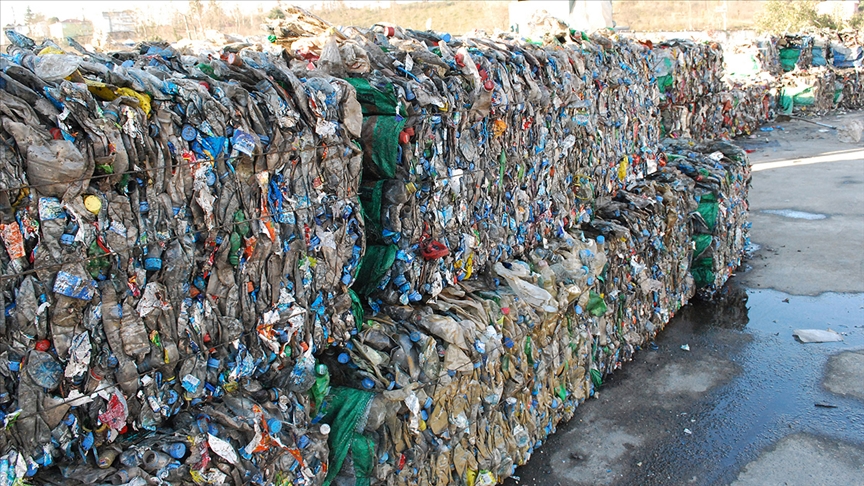
Plastic waste imports involve bringing recyclable plastic waste generated in one country into another country for recovery and recycling. The imported material may be separated, cleaned, shredded and processed at suitable recycling facilities before being transformed into reusable raw material.
To explore the broader meaning, objectives and scope of international waste trade, read our guide on what waste import is.
It is important to distinguish between waste and non-recoverable rubbish. Waste may still have technical and economic value when it can be processed and returned to production. Non-recoverable rubbish generally refers to mixed, contaminated or unusable materials that cannot be recycled effectively. Therefore, the objective of plastic waste imports should be to recover suitable resources rather than transfer materials that cannot be managed in their country of origin.
Not every plastic waste stream has the same characteristics. Polymer type, colour, purity, contamination level, previous application and the presence of other materials directly influence recycling performance. For this reason, plastic waste imports must be assessed according to both quantity and technical quality.
Importing plastic waste for disposal or uncontrolled incineration does not support responsible waste management. To generate environmental and economic value, imported materials must be recyclable and processed at facilities equipped with the necessary technology, permits and environmental safeguards.
Why Is Plastic Waste Imported?
One of the main reasons for plastic waste imports is the need to provide recycling facilities with a stable supply of suitable feedstock. Where domestic collection and sorting systems cannot supply sufficient quantities of consistently classified plastic waste, recyclable materials may be sourced internationally to support production capacity.
Recycling facilities do not only provide environmental services. They are also industrial production facilities that require predictable inputs in terms of quantity, type and quality. Properly sorted plastic waste can help recycling operations plan production, maintain capacity and manufacture more consistent recycled materials.
The principal reasons for importing recyclable plastic waste include:
- Supplying recycling facilities with regular feedstock
- Using recycling capacity more efficiently
- Increasing the production of recycled plastic raw materials
- Reducing dependence on virgin plastic resources
- Supporting resource efficiency in manufacturing
- Creating employment within the recycling industry
- Keeping plastic materials in the economy for longer
- Contributing to circular economy objectives
These benefits do not arise automatically when waste enters a country. Imported plastic waste must be classified correctly, transported under suitable conditions, delivered to authorised facilities and processed through a traceable recycling system. Poorly managed imports may create environmental risks, while an effective control system can strengthen the positive contribution of recycling.
How Are Plastic Waste Imports Managed in Türkiye?
Plastic waste imports in Türkiye are not unrestricted commercial activities. The importer, recycling facility, waste shipment and intended recovery operation must comply with current environmental and customs regulations. The process is subject to multiple controls before and after the waste enters the country.
Before importation, the relevant waste code, polymer composition, source, physical characteristics and recycling suitability must be identified. Authorities and importing businesses must then determine whether the material is permitted and whether the receiving facility is authorised and technically capable of processing it.
The general plastic waste import process may include the following stages:
- Identifying the plastic waste intended for import
- Determining the appropriate waste code and customs classification
- Verifying compliance with current import regulations
- Checking the environmental permits and licence scope of the facility
- Preparing the necessary information and documents
- Completing import and compliance applications
- Conducting environmental and customs inspections
- Transporting approved waste to the authorised facility
- Carrying out weighing, acceptance and registration procedures
- Directing the material to the appropriate recycling process
The information contained in the documents must correspond to the actual characteristics of the shipment. Differences between the declared waste code, quantity, source or composition and the physical material may lead to rejection, return of the shipment or enforcement measures.
Regulatory responsibility does not end when the imported plastic waste reaches the recycling facility. The acceptance date, weight, production line, recovered output and resulting process residues should remain traceable. This allows the facility to demonstrate that the imported material was used for its declared recovery purpose.
What Do Plastic Waste Import Regulations Cover?
Plastic waste import regulations are intended to protect the environment and human health. Their purpose is to prevent non-recyclable, hazardous, heavily contaminated or disposal-bound materials from entering the country while allowing suitable resources to be managed under controlled conditions.
Plastic waste imports in Türkiye are evaluated within the framework of environmental legislation, waste management rules, import inspection communiqués, customs provisions and international obligations. As relevant communiqués and implementation procedures may change, businesses should always rely on the regulations currently in force.
Plastic waste import regulations may cover matters such as:
- Waste types prohibited from import
- Materials subject to compliance inspections
- Waste codes applicable to plastic materials
- Technical requirements for importing facilities
- Environmental permits and licensing obligations
- Facility capacity and operational status
- Sampling and physical inspection procedures
- Authorised customs entry points
- Shipment documentation and declaration requirements
- Storage, processing and record-keeping procedures
- Measures applied to non-compliant shipments
- Environmental monitoring and reporting
Completing customs documentation alone is not sufficient. The receiving facility must possess the technology, capacity, environmental safeguards and legal authority required to process the relevant material. A general recycling licence does not necessarily authorise a facility to accept every plastic waste stream. The authorised waste codes and activities must correspond to the imported material.
Current circulars, application documents and official information concerning waste imports can be reviewed on the Import and Export Permits page of the Ministry of Environment, Urbanisation and Climate Change.
Which Types of Plastic Waste Can Be Imported?
The scope of plastic waste that may be imported depends on current legislation and the technical characteristics of the material. A shipment is not considered suitable merely because it is described as plastic. Polymer type, purity, contamination, source and the proposed recovery method must all be assessed.
Common recyclable polymers may include PET, polyethylene and polypropylene-based materials. However, two waste streams containing the same polymer may demonstrate very different recycling performance due to contamination or mixed-material content. Plastics that have been sorted at source and consist primarily of a single polymer can generally be processed more efficiently.
A plastic waste shipment should generally meet the following criteria:
- Its origin and composition should be identifiable.
- It should be classified under an appropriate waste code.
- It should be shipped for recycling or recovery.
- It should not be contaminated with hazardous substances at unacceptable levels.
- It should not contain excessive quantities of foreign materials.
- It should be compatible with the receiving facility’s process.
- It should comply with current technical requirements.
- Its actual contents should correspond to the shipment documents.
Mixed, unidentified, excessively contaminated or technically unsuitable plastics may create environmental and operational risks. Introducing these materials into a recycling line can reduce product quality, increase process residues and damage equipment. It may also lead to inappropriate emissions, wastewater or disposal requirements.
Import decisions must therefore be based not only on the commercial value of the shipment but also on recyclability, processing efficiency and environmental compliance.
Waste Import Permits and Compliance Procedures
The waste import permit process begins before the material enters the country and continues until the recycling operation has been completed. Its primary purpose is to verify that the imported material has the declared characteristics and will be treated at an authorised recovery facility.
The licence status of the importing facility is one of the most important parts of this process. The facility should be authorised for the relevant waste codes and possess adequate processing capacity. It must also have operational equipment capable of recycling the waste. Storage space alone is not sufficient; the facility must be able to demonstrate that it can process the imported material.
Application documents may contain information about the shipment’s origin, quantity, waste classification, means of transport and intended use. Depending on the applicable procedure, the material may also be subject to physical inspection or sampling. Where the shipment differs from the declaration, it may be rejected.
A waste import permit does not grant unlimited authorisation for every plastic material. Permits and compliance documents may be restricted by facility, waste code, quantity, period or technical condition. Importers should therefore examine each shipment individually and confirm its suitability before transport begins.
Recycling Stages for Imported Plastic Waste
The recycling of imported plastic waste is a multi-stage production process that begins with acceptance at the facility. The specific treatment method depends on the polymer, physical form, contamination level and required characteristics of the final recycled product.
Acceptance, weighing and preliminary inspection
When plastic waste arrives at the facility, it is weighed and compared with the shipment documentation. Its appearance, packaging, foreign material content and general compliance are inspected. Representative samples may be taken where further evaluation is required.
Acceptance control is one of the most critical stages of the recycling process. Allowing non-compliant waste into the production line can affect product quality, operational efficiency and the facility’s environmental performance.
Sorting and classification
Plastic waste is separated according to polymer type, colour, source or physical form. Mixing PET, HDPE, LDPE, PP and other polymers can change the characteristics of the recycled material.
Sorting may be carried out through manual control, mechanical systems, optical separators or density-based methods. Accurate classification increases the efficiency of washing, shredding and production processes.
Removal of contaminants
Plastic waste may contain labels, caps, metals, paper, dust, organic residues or other foreign materials. These components should be separated before the material enters the main processing line.
The required cleaning process depends on the waste source. Post-industrial materials with a known production history may have relatively low contamination levels. Post-consumer materials, by comparison, may require more extensive sorting and washing.
Shredding and size reduction
Accepted plastic waste is shredded or ground to a size suitable for the recycling system. This process converts irregular and bulky plastic pieces into more homogeneous flakes or regrinds.
Size reduction helps improve washing and separation efficiency. It also allows the material to be fed into later production stages more consistently.
Washing and drying
Shredded plastics may be washed to remove dirt, residues and unwanted surface materials. The wastewater produced during washing must be managed in accordance with environmental requirements. Uncontrolled water use or untreated discharge can reduce the overall environmental benefit of recycling.
Washed plastic is dried before further processing. Moisture can affect melting behaviour and product quality, particularly in polymers that are sensitive to water during processing.
Melting, filtration and granulation
Depending on the targeted product, suitable plastic flakes or regrinds may be processed through extrusion. The material is melted under controlled conditions, passed through filtration systems and converted into granules.
Filtration helps reduce small contaminants that may remain in the plastic. The resulting recycled plastic raw material can be used in packaging, automotive, construction, textiles, logistics products or consumer goods, depending on its quality and technical properties.
The suitability of the final material is determined by factors including:
- Polymer type
- Purity level
- Colour consistency
- Moisture content
- Melt flow characteristics
- Mechanical performance
- Contamination level
- Applicable product standards
The Importance of Quality Control and Traceability
Quality in plastic recycling cannot be achieved by examining only the final product. Controls should begin with the waste source and continue through acceptance, sorting, production, testing and delivery. Traceability helps identify which inputs were used to manufacture each production batch.
Imported plastic waste must be recorded systematically. The amount received should correspond reasonably with the quantities of recycled output, process loss, separated contaminants and residual waste. This material balance supports regulatory compliance and production efficiency.
Quality control may include analysing:
- Polymer composition
- Colour distribution
- Moisture level
- Foreign material content
- Density and flow properties
- Flake or granule dimensions
- Mechanical properties
- Consistency between production batches
Burkasan attaches importance to processing materials with identifiable sources under controlled conditions. Recycled outputs are assessed according to relevant quality criteria. The objective is not simply to reduce waste quantities but to convert suitable plastics into reliable resources that can return to industrial production.
Environmental Impacts of Plastic Waste Imports
The environmental impact of plastic waste imports depends largely on how the process is managed. Plastic recycling carried out at licensed facilities with effective inspections and high recovery rates can support resource efficiency. Uncontrolled acceptance, unsuitable storage and the introduction of non-recyclable waste, however, may create significant environmental risks.
A successful recycling process extends the useful life of plastic material. When recycled plastics return to manufacturing, they can reduce demand for virgin raw materials in suitable applications. Recycling may also divert waste from landfill or uncontrolled disposal.
Potential environmental benefits include:
- Keeping recyclable plastics out of landfill
- Reducing demand for primary resources
- Supporting the use of secondary raw materials
- Extending the economic life of existing plastics
- Encouraging investment in recycling infrastructure
- Improving waste separation and processing technologies
Potential risks must also be considered. Improper plastic waste management may result in:
- Soil and water pollution
- Microplastic leakage
- Uncontrolled waste accumulation
- Improperly treated washing water
- Increased quantities of non-recyclable residue
- Air pollution caused by uncontrolled burning
- Visual pollution and odour
- Occupational health and safety risks
Reducing these risks requires controls both before importation and throughout facility operations. Border inspections alone cannot guarantee sustainable outcomes. Plastic waste should remain traceable from entry and acceptance to recycling and final product manufacture.
Economic Benefits of Plastic Waste Recycling
Recyclable plastic waste becomes a secondary resource when it is processed using suitable technology. Its recovery can support not only recycling facilities but also logistics, machinery, laboratory services, maintenance operations and industrial supply chains.
When recycled plastic reaches the necessary technical quality, it may be used as an alternative or complementary input to virgin plastic. This gives manufacturers access to different material options and supports more resource-efficient production. The appropriate recycled content depends on product performance requirements and applicable standards.
The potential economic contributions of plastic waste recycling include:
- Increasing the capacity utilisation of recycling facilities
- Supporting recycled raw material production
- Creating employment opportunities
- Developing value-added products
- Improving resource efficiency
- Providing alternative materials for manufacturing
- Encouraging investment in recycling technology
- Strengthening international supply chain integration
Economic benefits should not be achieved by transferring environmental costs to the public or local authorities. Allowing unusable waste to accumulate may generate short-term commercial gains, but it creates long-term environmental, financial and social liabilities.
Responsible plastic waste imports therefore require both economic efficiency and environmental accountability.
The Circular Economy and Plastic Waste
The circular economy aims to replace the conventional “produce, use and discard” model with a system that keeps products and materials in use for as long as possible. Durable design, reuse, repair and recycling are central to this approach.
Plastic waste imports can support the circular economy only when imported materials are suitable for recycling and genuinely returned to production. Moving waste from one country to another for storage or disposal is not circular resource management.
An effective circular plastic management system involves:
- Reducing unnecessary plastic consumption
- Designing durable and reusable products
- Improving recyclability at the design stage
- Collecting waste separately at source
- Sorting plastics according to polymer type
- Recycling technically suitable materials
- Using recycled raw materials in manufacturing
- Monitoring and improving system performance
Burkasan supports the recovery of Post-Consumer Recycled (PCR) and Post-Industrial Recycled (PIR) plastics. This approach treats suitable waste not merely as something to be eliminated but as a potential industrial resource when technical and quality requirements are met.
PCR materials originate from products collected after consumer use. PIR materials generally arise during industrial production. As these waste streams have different characteristics, their sorting, cleaning and processing requirements should be evaluated separately.
Why Is the Collection of Domestic Waste Important?
Discussions about plastic waste imports should not overlook the collection and recycling of domestically generated waste. Separate collection, registered transport and processing at licensed facilities are essential components of sustainable waste management in Türkiye.
Imported materials should not replace domestic collection systems. Recovering plastics generated within the country helps reduce environmental pollution and creates an important resource for the recycling industry. Collection at source can also improve recycling quality by preventing different materials from becoming mixed or contaminated.
Strengthening domestic plastic waste management requires cooperation among municipalities, manufacturers, consumers, waste management companies and recycling facilities. Deposit return systems, separate collection practices, producer responsibility mechanisms and corporate waste management programmes can all support this structure.
An effective domestic collection system offers several benefits:
- More recyclable waste is captured before disposal.
- Material contamination can be reduced.
- Recycling facilities gain access to local resources.
- Illegal or uncontrolled waste management can be prevented.
- Municipal waste management costs may be managed more efficiently.
- Consumer participation in the circular economy increases.
- Data on waste generation and recovery becomes more reliable.
Burkasan’s integrated waste management approach covers interconnected stages from source separation and collection to transportation, recovery and recycled material production. This model supports the controlled use of both domestic resources and other plastic materials that meet the applicable requirements.
How Should Plastic Waste Be Managed Responsibly?
Responsible plastic waste management considers environmental and social impacts together with the material’s economic value. The source, composition, recyclability and intended output should be evaluated before waste is accepted.
Plastic waste imports and recycling operations should follow principles such as:
- Accepting only recyclable plastic waste
- Verifying the source and content of each material
- Maintaining accurate documentation and records
- Processing waste only at licensed and technically competent facilities
- Avoiding acceptance above the facility’s available capacity
- Protecting storage areas against environmental risks
- Managing process water appropriately
- Sending non-recyclable residues to authorised operations
- Implementing occupational health and safety measures
- Monitoring input, production and output quantities
- Carrying out regular environmental and quality controls
- Reporting process performance transparently
Facility capacity is especially important. A business should not accept more plastic waste than it can store and process safely. Excessive accumulation increases the risk of fire, leakage, material deterioration and uncontrolled disposal.
Wastewater and process residues also require careful management. Recycling should not transfer pollution from one environmental medium to another. The protection of soil, water and air must be included in the facility’s operating model.
Plastic waste imports can contribute to resource efficiency only when supported by effective regulation, reliable technology and corporate responsibility.
Burkasan’s Waste Management and Recycling Approach
With more than 25 years of experience in waste management and recycling, Burkasan develops integrated and sustainable solutions for businesses. Its approach covers the proper management, classification and recovery of waste while supporting the return of suitable materials to industrial production.
Burkasan does not consider recycling solely as a physical transformation process. Traceability, quality control, environmental compliance and operational efficiency are assessed from the source of the waste to the final recycled output. This approach helps transform suitable plastic waste into sustainable raw material alternatives.
Post-consumer and post-industrial plastics require different management methods. PCR waste may need extensive sorting and washing because it has passed through consumer use and collection systems. PIR waste is generated in industrial production and can often be obtained in more homogeneous and traceable forms. Burkasan evaluates each waste stream according to its specific technical characteristics.
The company’s professional waste management solutions help businesses manage their environmental responsibilities, increase recovery rates and prevent recyclable materials from being directed to uncontrolled methods. This contributes to a production model that combines operational efficiency with circular economy principles.
Burkasan also produces recycled plastic materials as alternatives to primary resources in suitable applications. Product quality depends on the characteristics of the incoming waste, production technology, process controls and final testing. For this reason, reliable input management and traceability remain essential throughout the recycling chain.
Frequently Asked Questions
What are plastic waste imports?
Plastic waste imports are the cross-border movement of recyclable plastic waste into another country under applicable environmental and customs regulations. Their purpose should be to process suitable materials at authorised facilities and transform them into reusable resources.
Why does Türkiye import plastic waste?
Recycling facilities require sufficient and consistent feedstock to maintain production. Recyclable plastic waste may be imported to support recycling capacity and recycled raw material production. However, domestic separate collection and recycling should remain a priority.
Are plastic waste imports prohibited in Türkiye?
There is no single unrestricted permission or complete prohibition covering every type of plastic waste. Current legislation determines which waste codes are permitted, controlled, restricted or prohibited. Requirements may vary according to composition, source and recyclability.
Can every type of plastic waste be imported?
No. The material must comply with applicable rules and be suitable for recycling. Unidentified, excessively contaminated, hazardous or prohibited plastic waste cannot be treated as an acceptable recycling input.
Who can import plastic waste?
Plastic waste may be imported by businesses that meet the applicable licensing, facility, documentation and technical requirements. The receiving facility should be authorised and capable of processing the relevant waste code.
How is a waste import permit obtained?
The procedure depends on the waste code, material source, quantity and licence scope of the receiving facility. Businesses must prepare the required documents and complete the applicable compliance process. Current conditions should always be checked through official ministry resources.
What happens to imported plastic waste?
Accepted plastic waste is inspected, weighed, sorted and cleaned. Depending on its characteristics, it may then be shredded, washed, dried, filtered and granulated. The resulting recycled material can return to manufacturing if it meets the necessary technical requirements.
Are plastic waste imports harmful to the environment?
Their impact depends on how they are managed. Uncontrolled imports and the acceptance of unsuitable materials can cause pollution. Properly classified waste processed at licensed and monitored facilities can contribute to resource efficiency and material recovery.
Is imported plastic waste incinerated?
The intended purpose of recyclable plastic waste imports is recovery and recycling, not uncontrolled incineration or disposal. Residues that cannot be recycled must be managed through authorised methods in accordance with environmental legislation.
Are plastic waste and recycled raw material the same?
No. Plastic waste requires sorting and processing. Recycled plastic raw material is the output obtained after suitable waste has been cleaned, shredded, filtered or otherwise processed to meet specific production requirements.
What is the difference between PCR and PIR plastic?
PCR means Post-Consumer Recycled plastic and originates from products collected after consumer use. PIR means Post-Industrial Recycled plastic and comes from industrial production waste. Their contamination levels, traceability and processing requirements may differ.
Do plastic waste imports contribute to the circular economy?
They can contribute when suitable materials are processed at licensed facilities and returned to production. Importing waste for accumulation, disposal or uncontrolled treatment does not support circular economy principles.
Where are recycled plastics used?
Depending on polymer type, purity and performance, recycled plastics may be used in packaging, automotive components, construction materials, textiles, logistics products and consumer goods. The intended application must comply with relevant technical and product standards.
Do plastic waste imports negatively affect domestic recycling?
This depends on policy and market conditions. Imports should not replace the collection of domestically generated waste. Domestic separate collection should remain a priority, while compliant imports may serve as a controlled and supplementary source for recycling facilities.
Conclusion
Plastic waste imports involve environmental, industrial, commercial and sustainability considerations. For these activities to contribute to the circular economy, imported materials must be recyclable, properly classified, traceable and processed at licensed facilities. Effective inspections, accurate record-keeping, quality control and environmental safeguards are essential throughout the process.
The success of plastic waste imports should not be measured only by the quantity of material entering a country. The more meaningful indicators are the proportion that is effectively recycled, the quality of the secondary raw material produced and the amount returned to manufacturing. Unusable or contaminated waste that cannot be processed efficiently should not be considered a valuable resource.
With its experience in professional waste management, recovery operations and recycled plastic production, Burkasan supports the transformation of suitable waste into valuable resources. By combining technical competence, traceability and responsible environmental management, Burkasan contributes to more efficient use of materials and the development of a sustainable circular economy.