

The glass bottle deposit system is an effective recycling model designed to prevent beverage packaging from becoming ordinary waste after consumption. In this system, consumers pay a deposit fee when purchasing a product in a glass bottle. After consuming the product, they return the empty bottle to an authorized return point and receive the deposit fee back. This process gives glass packaging an economic value and encourages consumers to take an active role in recycling.
Glass is one of the most valuable materials in the recycling chain. When collected correctly, it can be reused in production processes and help reduce the need for raw materials. However, when glass bottles are mixed with household waste, they may break, become contaminated, and lose recycling efficiency. The glass bottle deposit system offers a practical solution to this problem by collecting bottles separately at the source.
For companies operating in the recycling sector, such as Burkasan, deposit systems represent an important step toward more efficient resource management. By supporting the separate collection of packaging waste, this model helps improve material quality, reduce environmental impact, and strengthen the circular economy. The glass bottle deposit system is not only a waste management practice; it is also a sustainable consumption model that connects consumers, businesses, public authorities, and recycling facilities.
Table of Contents
- What Is a Glass Bottle Deposit System?
- How Does the Glass Bottle Deposit System Work?
- Why Are Glass Bottles Important for Recycling?
- Benefits of the Deposit System for Consumers
- Importance of the Glass Bottle Deposit System for Businesses
- Environmental and Economic Benefits
- Deposit Return System in Turkey and Glass Bottles
- Key Factors for a Successful Glass Bottle Deposit System
- Frequently Asked Questions
- Conclusion
What Is a Glass Bottle Deposit System?
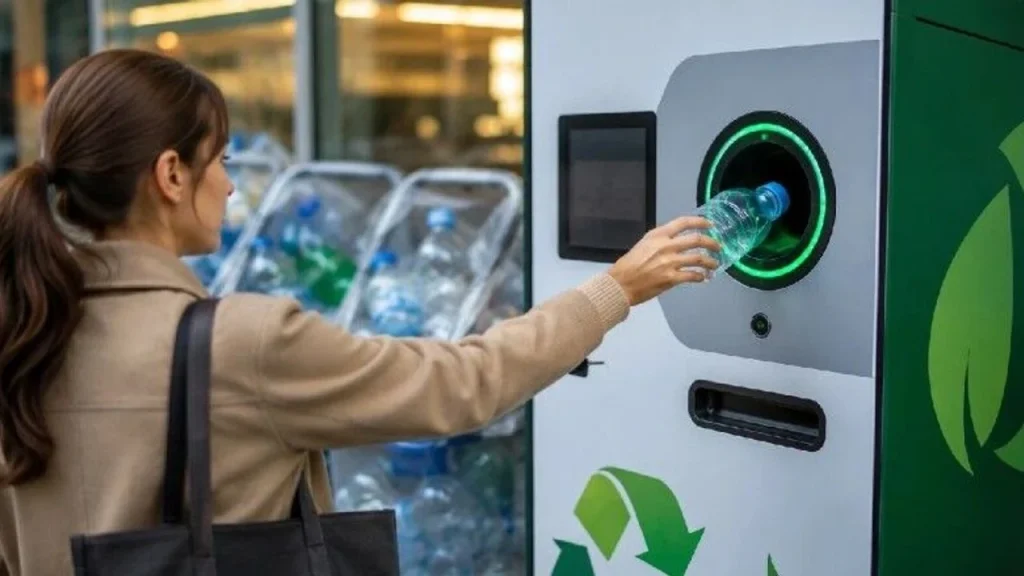
The glass bottle deposit system is a return-based recycling model that encourages consumers to bring back empty glass beverage bottles after use. Instead of treating glass bottles as disposable waste, the system considers them valuable packaging materials that can be reused or recycled.
The core principle of the system is simple. When consumers purchase a beverage in a glass bottle, they pay a small deposit fee. After consuming the product, they return the empty bottle to an authorized return point, reverse vending machine, or collection area. Once the bottle is accepted, the deposit fee is returned to the consumer.
This system differs from traditional recycling bins. In conventional recycling, consumers are expected to separate waste voluntarily, but there is usually no direct financial incentive. In the deposit system, consumers receive a clear economic return for responsible behavior. This makes the glass bottle deposit system more effective in changing daily consumption habits.
By giving value to empty packaging, the system helps reduce littering, supports separate collection, and improves the quality of materials entering recycling facilities.
How Does the Glass Bottle Deposit System Work?
The glass bottle deposit system operates through a controlled process that starts with production and continues through consumption, return, collection, and recycling. First, producers place glass bottles on the market with labels, barcodes, or deposit system markings that allow the packaging to be identified.
Consumers purchase the product and pay the deposit fee as part of the transaction. After consuming the beverage, they keep the empty glass bottle separate from household waste. The bottle is then taken to an authorized return point. The return system identifies the packaging, checks whether it is eligible, and initiates the refund process.
To better understand the overall process, you can also read our detailed guide on the deposit return system.
Collected glass bottles are then transferred to sorting, counting, transportation, recycling, or reuse processes. For the system to work efficiently, bottles should remain recognizable and as undamaged as possible. Broken, heavily damaged, or unidentified bottles may cause problems during the return process.
The glass bottle deposit system generally follows these steps:
- Producers place deposit-compatible glass bottles on the market.
- Consumers purchase the product and pay the deposit fee.
- Empty glass bottles are kept separate after consumption.
- Bottles are returned to authorized collection points.
- The system identifies the packaging and processes the refund.
- Collected bottles are sent to recycling or reuse facilities.
This model ensures that the life cycle of glass packaging is managed more effectively. Instead of being discarded as waste, glass bottles remain part of the resource cycle.
Why Are Glass Bottles Important for Recycling?
Glass is produced from natural raw materials such as sand, soda ash, and limestone. Recycling glass bottles can help reduce the demand for these raw materials and support more efficient production processes. When properly sorted and processed, recycled glass can be used in new glass manufacturing.
One of the most important advantages of glass is its recyclability. However, the quality of recycled glass depends heavily on how it is collected. If glass bottles are mixed with general waste, they can become contaminated or broken into unusable fragments. This reduces recycling efficiency and increases processing costs.
The glass bottle deposit system improves recycling quality by enabling source-separated collection. Bottles returned through the deposit system are generally cleaner, easier to classify, and more suitable for recycling. This creates a more reliable material flow for recycling companies.
For Burkasan, which focuses on sustainable recycling and resource recovery, high-quality separated material is essential. A well-functioning deposit system supports the recycling industry by providing better input materials and reducing the need for complex sorting after collection.
Glass bottle recycling also contributes to cleaner cities. Bottles left in public spaces, parks, roads, beaches, or streets can create environmental pollution and safety risks. Deposit systems help prevent this by encouraging consumers to return bottles instead of discarding them.
Benefits of the Deposit System for Consumers
The glass bottle deposit system offers consumers both environmental and economic benefits. The most direct advantage is that consumers can recover the deposit fee they paid during purchase. This creates a practical motivation to return empty bottles.
The system also helps consumers develop stronger recycling habits. A glass bottle is no longer seen as simple waste. It becomes a packaging item with value. This change in perception is important because sustainable behavior becomes part of daily life.
For families, schools, and young consumers, the deposit system can also serve as an educational tool. It demonstrates that waste has value when managed correctly and that every individual can contribute to environmental protection through simple actions.
The main consumer benefits include:
- Receiving the paid deposit fee back
- Taking direct part in recycling
- Reducing household waste
- Supporting cleaner public areas
- Developing sustainable consumption habits
These benefits make the glass bottle deposit system more than a technical recycling model. It becomes a practical method for encouraging environmental responsibility across society.
Importance of the Glass Bottle Deposit System for Businesses
The glass bottle deposit system is not only relevant to consumers. It also has a direct impact on beverage producers, retailers, restaurants, cafés, logistics companies, and recycling businesses. Each stakeholder plays a role in the successful operation of the system.
For producers, deposit systems affect packaging design, labeling, tracking, and compliance processes. Glass bottles must be compatible with the return infrastructure. For retailers, the system may require return points, storage areas, consumer guidance, and operational planning.
Restaurants, cafés, and hospitality businesses may also need to manage empty glass bottles separately and ensure that packaging enters the correct return channel. This can improve waste management practices and support sustainability reporting.
For the recycling sector, the deposit system provides a more consistent and higher-quality flow of packaging materials. Burkasan’s approach to sustainability is based on recovering waste with maximum efficiency and turning materials back into economic value. The glass bottle deposit system supports this approach by improving source separation and reducing contamination.
Businesses should not view deposit systems only as a regulatory obligation. They can also be used as a brand value. Companies that demonstrate environmental responsibility through practical action can build stronger trust with consumers who care about sustainability.
Environmental and Economic Benefits
The glass bottle deposit system creates environmental and economic value at the same time. From an environmental perspective, it reduces the number of glass bottles that end up in nature, streets, landfills, or mixed waste streams. This contributes to cleaner cities and more effective recycling.
By collecting glass bottles separately, the system improves recycling quality. Better-quality glass can be processed more efficiently and reused in production. This supports resource efficiency and reduces the pressure on natural raw materials.
From an economic perspective, deposit systems help preserve the value of packaging. Returned bottles enter the recycling chain in a controlled way. This creates value across collection, transportation, sorting, processing, and manufacturing stages.
The system can also reduce the waste management burden on municipalities. Sorting glass from mixed waste is difficult, costly, and less efficient. When bottles are returned separately by consumers, waste management becomes more organized and cost-effective.
The key environmental benefits include:
- Reducing glass packaging waste in nature
- Supporting source-separated collection
- Improving recycling quality
- Helping reduce raw material consumption
- Strengthening the circular economy
These benefits make the glass bottle deposit system an important tool for sustainable urban living and responsible resource management.
Deposit Return System in Turkey and Glass Bottles
The deposit return system in Turkey aims to collect beverage packaging more effectively and return it to the recycling chain. Glass bottles, PET bottles, and aluminum beverage packaging are among the key materials included in this model. Glass bottles have a particularly important place because they can offer high recycling value when collected correctly.
For official information about Turkey’s deposit system, you can review the announcement by the Ministry of Environment, Urbanization and Climate Change.
As the system becomes more widespread, consumers will be able to return eligible packaging to authorized points and receive the deposit fee back. This model is more motivating than traditional waste collection because it gives consumers a direct reward for responsible behavior.
The success of the deposit return system in Turkey depends on coordination between public institutions, producers, retailers, recycling companies, and consumers. Packaging must be designed for system compatibility, return points must be accessible, and consumers must clearly understand how the process works.
Burkasan supports recycling models that help transform packaging waste into economic value. Deposit systems contribute to a more traceable, efficient, and sustainable recycling infrastructure. They also help improve the quality of materials reaching recycling facilities.
Key Factors for a Successful Glass Bottle Deposit System
For the glass bottle deposit system to succeed, technical infrastructure and user experience must work together. Consumers need to know where to return bottles, how the process works, and how they can receive their deposit refund. If return points are difficult to access or the process is complicated, participation may decrease.
Clear communication is essential. Consumers should understand which glass bottles are eligible, how bottles should be stored, and what condition they should be in when returned. Simple and visible instructions at sales and return points can increase participation.
Businesses also need proper logistics planning. Glass bottles are breakable, so collection, storage, and transportation processes must be managed carefully. If bottles break or become mixed with unsuitable materials, recycling efficiency can decrease.
A successful glass bottle deposit system requires:
- Accessible and widespread return points
- Clear consumer information
- Deposit-compatible packaging labels
- Safe collection and transportation processes
- High-quality material flow to recycling facilities
- Strong coordination between public and private stakeholders
When these elements come together, the deposit system becomes more than a return mechanism. It becomes a practical sustainability model that supports cleaner cities, efficient recycling, and responsible consumption.
Frequently Asked Questions
What is a glass bottle deposit system?
A glass bottle deposit system is a recycling model in which consumers pay a deposit fee when purchasing a product in a glass bottle and receive that fee back when they return the empty bottle to an authorized point.
How does the glass bottle deposit system work?
Consumers buy the product, keep the empty glass bottle after use, and return it to a designated collection point. The system identifies the packaging and processes the deposit refund. The collected bottles are then sent for recycling or reuse.
Which glass bottles are included in the deposit system?
Only glass bottles that carry the required system marking, barcode, or identification are included. Not every glass bottle may be eligible. Consumers should check the packaging and return point instructions.
Do consumers receive money back for returning glass bottles?
Yes. The main purpose of the system is to return the deposit fee paid by the consumer. The refund method may vary depending on the system infrastructure.
Can broken glass bottles be returned?
In most systems, the bottle must be identifiable. Broken or heavily damaged bottles may not be accepted because the system may not be able to read the label, barcode, or packaging form.
How does the glass bottle deposit system help the environment?
The system prevents glass bottles from entering nature or mixed waste streams. It supports source-separated collection, improves recycling quality, and helps reduce the use of natural resources.
Why is the deposit system important for businesses?
The system helps businesses comply with sustainability and packaging management requirements. It also supports brand reputation, improves waste management, and contributes to a more efficient recycling chain.
Does the deposit system increase recycling rates?
Yes. Because consumers receive a direct financial incentive, deposit systems can encourage higher return rates and improve the quality of collected packaging materials.
Conclusion
The glass bottle deposit system is an effective recycling model that prevents valuable packaging from becoming waste. By giving glass bottles an economic value, the system encourages consumers to return them and supports a cleaner, more efficient recycling chain.
As deposit return systems become more common in Turkey, glass packaging can be collected in a more organized and higher-quality way. This will support recycling facilities, reduce environmental pollution, and contribute to the circular economy.
Burkasan sees sustainable recycling as a key part of responsible resource management. The glass bottle deposit system aligns with this vision by helping packaging waste return to the economy instead of being lost as waste. When applied correctly, this system protects the environment, supports businesses, strengthens the recycling sector, and contributes to a more sustainable future.