
Introduction
The plastic bottle deposit system is one of the most effective models used to prevent beverage packaging from becoming waste and to bring recyclable materials back into the economy. In this system, consumers pay a small deposit fee when purchasing a beverage in a plastic bottle. After consuming the product, they return the empty bottle to an authorized return point or a reverse vending machine and receive the deposit amount back.
This model changes the way consumers see plastic bottles. Instead of treating them as disposable waste, people begin to see empty bottles as valuable materials that can be returned, collected, processed, and reused. This approach supports recycling, reduces environmental pollution, and strengthens circular economy practices.
Plastic packaging waste is one of the most visible environmental problems today. When plastic bottles are not collected properly, they may end up in landfills, streets, rivers, seas, and natural habitats. However, when they are collected through a structured deposit return system, they can be recycled into valuable raw materials. For companies such as Burkasan, which operates in the recycling and resource recovery sector, the plastic bottle deposit system creates a more traceable, cleaner, and more efficient material flow.
Table of Contents
- What Is a Plastic Bottle Deposit System?
- How Does the Plastic Bottle Deposit System Work?
- Main Purposes of the Plastic Bottle Deposit System
- Which Plastic Bottles Are Included in the System?
- Plastic Bottle Return Process for Consumers
- Reverse Vending Machines and Return Points
- Contribution of the Plastic Bottle Deposit System to Recycling
- Importance of the Deposit System for Circular Economy
- What the System Means for Businesses and Producers
- The Value of the Plastic Bottle Deposit System for Burkasan
- The Future of Plastic Bottle Deposit Systems
- Frequently Asked Questions
- Conclusion
What Is a Plastic Bottle Deposit System?
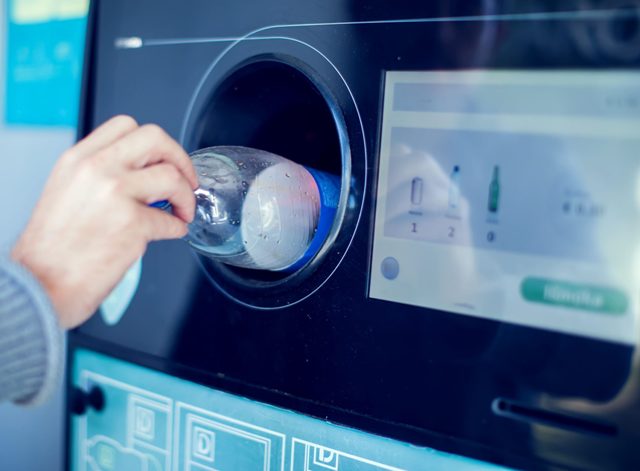
A plastic bottle deposit system is a return-based recycling model in which beverage packaging is sold with a deposit fee and this fee is refunded when the empty bottle is returned. The system is simple but highly effective. A plastic bottle is not thrown away after use; it is returned to the collection system and then directed to recycling.
The main purpose of the plastic bottle deposit system is to increase the collection rate of beverage packaging and prevent recyclable materials from being lost in mixed waste. In traditional waste collection systems, plastic bottles may be contaminated by food waste, organic waste, or other non-recyclable materials. This lowers the quality of recycling. Deposit systems reduce this problem because bottles are collected separately at the source.
This model also gives consumers a direct financial motivation. Since the deposit amount can be refunded, consumers are encouraged to return empty bottles instead of discarding them. As a result, plastic bottles become part of a controlled and measurable recycling chain.
How Does the Plastic Bottle Deposit System Work?
The plastic bottle deposit system works through a chain that includes producers, retailers, consumers, return points, logistics operations, and recycling facilities. Each stakeholder has a specific role in the process.
The process generally works as follows:
- A producer places a deposit-marked beverage bottle on the market.
- The consumer buys the beverage and pays the product price plus the deposit fee.
- After consuming the beverage, the consumer keeps the empty plastic bottle.
- The bottle is returned to a reverse vending machine or an authorized return point.
- The system identifies the bottle through its barcode, shape, material type, or deposit marking.
- Once the bottle is accepted, the deposit amount is refunded to the consumer.
- Collected bottles are transported to recycling facilities.
- The plastic material is processed and turned into reusable raw material.
This structure makes the plastic bottle deposit system different from ordinary waste collection. Instead of relying only on waste bins or municipal collection, the deposit model creates a direct return route for valuable packaging materials.
Main Purposes of the Plastic Bottle Deposit System
The plastic bottle deposit system has environmental, economic, and social goals. It supports better waste management and creates a more responsible consumption culture.
The main purposes of the system include:
- Preventing plastic bottles from polluting nature
- Increasing the collection rate of beverage packaging
- Improving the quality of recyclable materials
- Encouraging consumers to participate in recycling
- Reducing the amount of mixed packaging waste
- Supporting circular economy practices
- Lowering the need for virgin plastic raw materials
- Reducing pressure on municipal waste systems
- Creating a more traceable recycling chain
The system does not only collect bottles. It also helps society adopt a new waste management habit. When consumers understand that every bottle has a return value, recycling becomes part of daily life.
Which Plastic Bottles Are Included in the System?
The types of plastic bottles included in a deposit system may vary depending on national regulations and system design. In general, plastic beverage bottles used for water, soft drinks, fruit juices, energy drinks, and similar products are among the most common packaging types included in the deposit return model.
A bottle must usually carry a system-approved marking, barcode, or deposit symbol to be accepted. These markings help consumers understand whether the packaging is part of the plastic bottle deposit system. They also allow machines and return points to identify the packaging correctly.
The physical condition of the bottle is also important. If the bottle is heavily damaged, crushed beyond recognition, or if the barcode cannot be read, the return system may not accept it. For this reason, consumers should keep deposit bottles as intact as possible until they return them.
Plastic Bottle Return Process for Consumers
For consumers, the plastic bottle deposit system is designed to be practical and easy to use. After finishing a beverage, the consumer keeps the empty bottle and takes it to a nearby return point or reverse vending machine. The machine or staff member checks whether the bottle is eligible for return.
Consumers should pay attention to a few basic points during the return process. The bottle should not contain other waste. The barcode or deposit mark should remain readable. The bottle should not be filled with liquids, food waste, cigarette butts, or foreign materials. A clean and recognizable bottle makes the return process faster and supports higher-quality recycling.
The main advantage for consumers is that environmentally responsible behavior is rewarded. By returning a plastic bottle, the consumer both supports recycling and receives the deposit fee back. This makes the system practical, measurable, and motivating.
Reverse Vending Machines and Return Points
Reverse vending machines are one of the most visible parts of the plastic bottle deposit system. These machines accept empty beverage containers, scan them, verify their eligibility, and complete the return process. They can identify bottles by reading barcodes, checking shape, recognizing material type, or matching the packaging with system data.
Return points may also include supermarkets, grocery stores, shopping centers, kiosks, restaurants, hotels, cafes, and other high-consumption areas. The more accessible the return points are, the more successful the system becomes. Convenience is a key factor because consumers are more likely to return bottles when the process is fast and close to their daily routes.
Reverse vending machines and return points help collect plastic bottles separately from mixed waste. This is a major benefit for recycling facilities. Bottles collected through the deposit system are generally cleaner and easier to process. For recycling companies such as Burkasan, this creates a better-quality material stream and supports more efficient recycling operations.
Contribution of the Plastic Bottle Deposit System to Recycling
The plastic bottle deposit system significantly improves recycling performance. It increases collection rates, reduces contamination, and helps more packaging materials return to production cycles. In many waste systems, plastic bottles lose their recycling potential because they are mixed with other waste types. Deposit systems reduce this loss.
When bottles are collected separately, recycling facilities can process them more efficiently. Clean PET bottles can be sorted, washed, shredded, and converted into recycled plastic flakes or granules. These recycled materials may then be used in different industries, including packaging, textiles, automotive products, and other plastic-based manufacturing processes.
For Burkasan, the quality of collected material is highly important. Cleaner and more traceable plastic bottle waste means better recycling outcomes. The plastic bottle deposit system supports this goal by creating a controlled collection structure. As a result, plastic waste can be transformed into economic value instead of becoming an environmental burden.
Importance of the Deposit System for Circular Economy
Circular economy is based on keeping resources in use for as long as possible. Instead of producing, consuming, and discarding products, circular economy models aim to recover materials and use them again. The plastic bottle deposit system is a strong example of this approach.
In a linear economy, a plastic bottle is produced, used, and thrown away. In a circular economy, the same bottle is collected, recycled, and transformed into a new raw material. This reduces the demand for virgin plastic and helps protect natural resources.
The deposit system also improves data tracking. Since bottles are registered, returned, and processed through a structured system, it becomes easier to measure collection rates and recycling performance. This creates a more transparent waste management model.
Burkasan’s sustainability-focused recycling approach aligns with the principles of circular economy. By supporting the recovery of plastic packaging waste, the company contributes to a system where waste becomes a resource and resources remain within the economy.
What the System Means for Businesses and Producers
The plastic bottle deposit system is not only a consumer-focused model. It also affects producers, retailers, logistics companies, municipalities, recycling facilities, and public institutions. Producers must ensure that their packaging complies with deposit system requirements. This may include registration, labeling, barcode management, and data reporting.
Retailers play an important role because they are often the closest contact point between consumers and the return system. Supermarkets and sales points may host reverse vending machines or manual return areas. This makes them part of the recycling chain.
For businesses, participating in the deposit system is also a sustainability opportunity. Companies that support proper packaging return can strengthen their environmental responsibility image. At the same time, they contribute to reducing plastic pollution and improving resource efficiency.
Recycling facilities benefit from the system because they receive better-sorted materials. This improves operational efficiency and supports the production of higher-quality recycled raw materials.
The Value of the Plastic Bottle Deposit System for Burkasan
Burkasan operates in a sector where material quality, traceability, and efficient recycling processes are highly important. The plastic bottle deposit system supports all these priorities. Since bottles are collected separately, the risk of contamination decreases and the value of recyclable material increases.
For Burkasan, the deposit system offers three major advantages. First, it helps increase the amount of recoverable plastic packaging waste. Second, it improves the quality of collected materials. Third, it strengthens public awareness about recycling and sustainable resource management.
The system also supports Burkasan’s broader sustainability vision. Plastic bottles that might otherwise become waste can be collected, processed, and returned to the economy as recycled raw material. This helps reduce environmental impact and contributes to a more responsible industrial ecosystem.
Burkasan’s experience in recycling allows the company to understand the importance of source-separated collection. The plastic bottle deposit system makes this process more effective by involving consumers directly in the recovery chain.
The Future of Plastic Bottle Deposit Systems
The future of the plastic bottle deposit system depends on accessibility, public awareness, digital infrastructure, and cooperation among stakeholders. As return points become more widespread, consumers will find it easier to return empty bottles. This will increase participation and improve collection rates.
Digital applications may also make the system more practical. Mobile wallets, QR codes, digital receipts, and user accounts can help consumers track their returns and refunds more easily. These technologies can make the deposit system faster and more transparent.
In the long term, deposit systems may become a standard part of sustainable packaging management. Plastic bottles are one of the most important packaging groups, but similar models can also inspire return systems for other recyclable materials.
For Türkiye and the global recycling sector, the plastic bottle deposit system represents a shift from waste disposal to resource recovery. Companies such as Burkasan can play an important role in this transformation by supporting high-quality recycling, sustainable production, and circular economy principles.
The future of the plastic bottle deposit system depends on accessibility, public awareness, digital infrastructure, and cooperation among stakeholders. To better understand the broader framework of the mandatory deposit return system in Türkiye, you can review Burkasan’s detailed guide on the subject. As return points become more widespread, consumers will find it easier to return empty bottles, which can increase participation and improve collection rates.
For official information about Türkiye’s deposit return practices, you can review the official environmental regulations in Türkiye.
Frequently Asked Questions
What is a plastic bottle deposit system?
A plastic bottle deposit system is a recycling model in which consumers pay a small deposit fee when buying a beverage in a plastic bottle and receive that amount back when they return the empty bottle. The system helps collect plastic bottles separately and direct them to recycling.
How does the plastic bottle deposit system work?
The consumer buys a deposit-marked beverage, uses the product, and returns the empty bottle to a reverse vending machine or authorized return point. The system verifies the bottle and refunds the deposit amount. The collected bottles are then sent to recycling facilities.
Which bottles are included in the deposit system?
Plastic beverage bottles used for water, soft drinks, juices, energy drinks, and similar products are commonly included. The exact scope depends on the relevant regulations and system rules. Bottles usually carry a deposit symbol, barcode, or system-approved marking.
Can I crush a plastic bottle before returning it?
It is better not to crush the bottle too much. The system may need to read the barcode, shape, or deposit marking. If the bottle is heavily damaged or unrecognizable, it may not be accepted by the return machine or return point.
How do consumers get the deposit fee back?
The refund method depends on the system design. Consumers may receive the deposit amount through a mobile application, digital wallet, account transfer, receipt, voucher, or another approved payment method.
Where can plastic bottles be returned?
Plastic bottles can usually be returned to reverse vending machines or authorized return points. These points may be located in supermarkets, shopping areas, grocery stores, kiosks, restaurants, cafes, or other high-traffic locations.
Why is the plastic bottle deposit system important?
The plastic bottle deposit system prevents plastic bottles from becoming environmental waste. It increases recycling rates, improves material quality, supports circular economy, and encourages consumers to take part in sustainable waste management.
Does the deposit system improve recycling quality?
Yes. Since bottles are collected separately, they are usually cleaner and easier to process. This improves the quality of recycled plastic and makes recycling operations more efficient.
How does the plastic bottle deposit system support circular economy?
The system keeps plastic bottles in the material cycle. Instead of being discarded, bottles are returned, recycled, and used again as raw materials. This reduces the need for virgin plastic and supports resource efficiency.
How is Burkasan related to the plastic bottle deposit system?
Burkasan contributes to recycling and resource recovery by processing recyclable materials and supporting sustainable waste management. The plastic bottle deposit system helps create cleaner and more traceable plastic waste streams, which aligns with Burkasan’s recycling-focused approach.
Conclusion
The plastic bottle deposit system is more than a packaging return model. It is a practical and measurable solution for reducing plastic pollution, increasing recycling rates, and supporting circular economy. By encouraging consumers to return empty bottles, the system transforms plastic packaging from waste into a valuable resource.
For businesses, producers, retailers, and recycling companies, the system creates a more organized and sustainable material flow. For consumers, it makes recycling easier and more rewarding. For the environment, it helps reduce litter, protect natural resources, and lower the pressure on waste management systems.
Burkasan’s recycling expertise and sustainability-focused approach make the plastic bottle deposit system especially relevant. As more plastic bottles are collected through structured return systems, recycling processes become more efficient and the value of recovered materials increases. This contributes to a future where plastic waste is not treated as a problem, but as a resource that can be recovered, processed, and reused responsibly.