
With increasing consumption habits, packaging waste has become a major environmental problem worldwide. Plastic bottles, glass beverage containers, and metal cans, when disposed of improperly, contribute significantly to environmental pollution and accelerate the depletion of natural resources. One of the most effective solutions developed to address this issue is the deposit return system.
A deposit return system is based on the principle that consumers pay a small deposit when purchasing beverages and receive this amount back when they return the packaging. This mechanism ensures that packaging waste is collected without harming the environment and is directed into recycling processes. As a result, both environmental protection and efficient resource use are achieved.
In Türkiye, the deposit return system has been developed as a key environmental policy… For a detailed overview of the mandatory deposit return system in Turkey, you can read our full guide.In Türkiye, the deposit return system has been developed as a key environmental policy… For a detailed overview of the mandatory deposit return system in Turkey, you can read our full guide.
Similar systems are widely implemented across Europe, as outlined by the European Commission’s environmental policies.
In this comprehensive guide, we will explore all aspects of the deposit return system, including how it works, its environmental contributions, and its implementation in Türkiye.
Table of Contents
- What Is a Deposit Return System?
- How Does the Deposit Return System Work?
- Why Is the Deposit Return System Important?
- Environmental Benefits of the Deposit Return System
- Deposit Return System in Türkiye
- Economic Benefits of the Deposit Return System
- Contribution to Waste Management
- The Role of Burkasan in Sustainable Waste Management
- Frequently Asked Questions
- Conclusion
What Is a Deposit Return System?
The deposit return system is a waste management model designed to encourage the collection of beverage packaging. In this system, consumers pay a small deposit when purchasing a product and receive it back upon returning the packaging.
In this model, packaging is not treated as waste but as a valuable recyclable resource. This creates a sustainable cycle between consumers, producers, and recycling facilities.
The deposit return system is primarily developed to increase the recycling rates of plastic, glass, and metal beverage containers. These materials can remain in nature for hundreds of years, making the system critical for environmental sustainability.
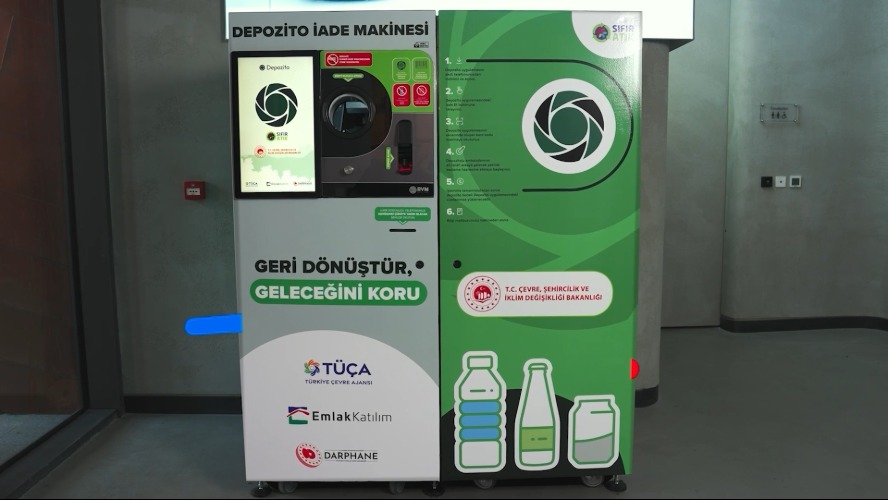
How Does the Deposit Return System Work?
The deposit return system operates through a structured and organized process involving producers, consumers, and recycling infrastructure.
The system generally works as follows:
- Beverage producers introduce products with an added deposit fee
- Consumers pay the deposit when purchasing the product
- Used packaging is returned to collection points
- The deposit is refunded once the packaging is returned
- Collected packaging is sent to recycling facilities
- Materials are processed and reused in production
This structure encourages consumers to return packaging instead of discarding it, significantly increasing recycling rates.
Why Is the Deposit Return System Important?
Packaging waste is one of the leading causes of environmental pollution. Plastic bottles, cans, and glass containers can remain in nature for decades or even centuries. Therefore, the deposit return system plays a crucial role in environmental policies.
Key reasons why the system is important include:
- Prevents packaging waste from polluting the environment
- Increases recycling rates
- Helps conserve natural resources
- Reduces energy consumption
- Lowers carbon emissions
- Raises environmental awareness
By ensuring that a large portion of packaging is recovered, the system provides both environmental and economic advantages.
Environmental Benefits of the Deposit Return System
The deposit return system provides significant environmental benefits, particularly in reducing plastic waste and protecting ecosystems.
Its main environmental contributions include:
- Reducing plastic pollution
- Protecting natural habitats
- Decreasing waste in oceans and seas
- Saving energy through recycling
- Lowering carbon footprint
Recycling plastic bottles, for example, requires significantly less energy than producing new materials, which supports climate change mitigation efforts.
Deposit Return System in Türkiye
In Türkiye, the deposit return system has been developed as a key environmental policy to manage packaging waste effectively. The system focuses on collecting beverage containers for recycling.
The following types of packaging are included:
- Plastic beverage bottles
- Glass bottles
- Metal beverage cans
Through this system, millions of packaging items are expected to be recovered annually, significantly reducing environmental pollution.
Economic Benefits of the Deposit Return System
The deposit return system not only protects the environment but also contributes to the economy.
Its economic advantages include:
- Creating new employment opportunities in recycling
- Reducing the need for raw materials
- Saving energy
- Lowering municipal waste management costs
- Improving efficiency in waste management
Reusing recovered materials adds economic value and supports sustainable production.
Contribution to Waste Management
Waste management is a critical component of modern urban sustainability. Packaging waste, especially from consumption and industry, requires structured solutions.
The deposit return system enhances waste management efficiency by ensuring systematic collection. This allows recycling facilities to operate more effectively and improves resource efficiency.
Companies operating in environmental services benefit from this structured system, as it enables more organized and scalable recycling processes.
The Role of Burkasan in Sustainable Waste Management
Companies providing professional waste management solutions play a vital role in the success of deposit systems. In this context, Burkasan contributes to sustainable environmental practices with its expertise in waste management.
Burkasan supports businesses in managing industrial waste, improving recycling processes, and complying with environmental regulations. It also offers consultancy services to enhance operational efficiency in waste management.
Applications such as the deposit return system require strong infrastructure, and companies like Burkasan are essential in ensuring these systems function effectively.
Frequently Asked Questions
What is a deposit return system?
A deposit return system is a recycling model where consumers receive a refund for returning beverage packaging.
What types of packaging are included?
Typically plastic bottles, glass bottles, and metal cans are included.
Why is the deposit return system used?
It is used to reduce environmental pollution, increase recycling rates, and improve waste management.
How does it benefit the environment?
It reduces waste, saves energy, and lowers carbon emissions.
Is the deposit return system implemented in Türkiye?
Yes, the system has been introduced and is being expanded across Türkiye.
Conclusion
Increasing packaging consumption continues to intensify environmental challenges. Therefore, the deposit return system has become an essential part of sustainable environmental policies. It ensures that packaging waste is collected efficiently, strengthens recycling processes, and protects natural resources.
The expansion of this system in Türkiye will enhance environmental awareness and support the growth of the recycling sector. In this process, companies like Burkasan play a critical role by providing professional waste management and recycling solutions.
Adopting systems such as the deposit return system is essential for protecting the environment and building a sustainable future for generations to come.