
Introduction
Plastic waste imports in Turkey are an important part of discussions surrounding recycling, secondary raw materials, resource efficiency and the circular economy. When plastic waste is properly collected, sorted and processed in suitable recycling facilities, it can be transformed into a valuable secondary raw material and reintroduced into manufacturing processes.
However, not every type of plastic waste can be imported into Turkey under the same conditions. The type of waste, its waste code, composition, physical characteristics and recyclability are among the factors that determine whether an import is permitted. For this reason, plastic waste imports are subject to environmental regulations, documentation requirements and official controls.
Burkasan operates in the recycling and recovery sector with an approach focused on returning recyclable materials to the economy. Proper sorting, controlled processing and efficient recycling practices contribute to keeping plastic materials within the economic cycle for longer and reducing the need for virgin resources.
Table of Contents
- What Are Plastic Waste Imports in Turkey?
- Why Is Plastic Waste Imported?
- How Are Plastic Waste Imports Regulated in Turkey?
- Can Every Type of Plastic Waste Be Imported?
- The Role of Recycling Facilities
- Inspection and Control Processes
- Why Waste Codes and Classification Matter
- Plastic Waste Imports and Recycling
- The Importance of Domestic Plastic Waste Recovery
- Turning Plastic Waste into Secondary Raw Materials
- Plastic Waste and the Circular Economy
- Burkasan’s Approach to Recycling
- The Future of Plastic Recycling in Turkey
- Frequently Asked Questions
- Conclusion
What Are Plastic Waste Imports in Turkey?
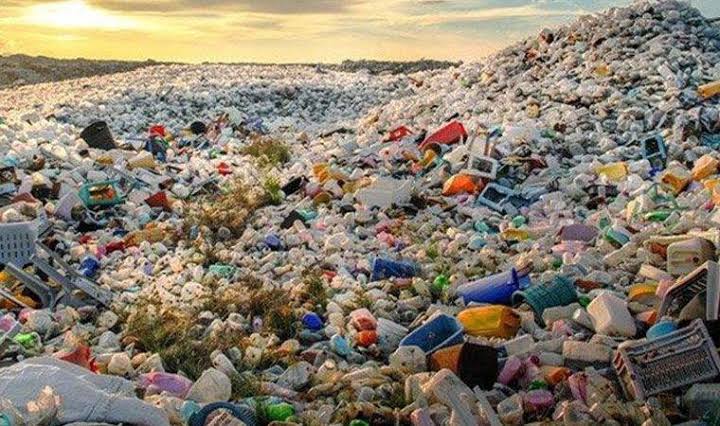
Plastic waste imports in Turkey refer to the entry of plastic waste permitted under applicable legislation into the country, primarily for recycling or recovery purposes.
The key consideration is whether the imported material can be appropriately processed within the recycling system. Plastic waste suitable for recycling can represent a secondary resource rather than simply material requiring disposal.
For this reason, importing plastic waste is different from importing conventional commercial goods. Environmental requirements, customs procedures, waste classification, facility qualifications and relevant documentation must all be considered.
The regulatory framework aims to prevent prohibited, unsuitable or environmentally problematic waste from entering the country while establishing controls for waste that can legally be imported and recovered.
Why Is Plastic Waste Imported?
Recycling facilities require materials with particular characteristics to maintain their production processes. Properly sorted and recyclable plastic waste can be processed into recycled raw materials that may subsequently be used in various industrial applications.
Depending on the polymer type, quality and processing technology, recovered plastic can be converted into recycled granules or other secondary raw material forms.
The main objectives associated with recovering recyclable plastic waste include:
- Returning usable plastics to the economic cycle,
- Supporting secondary raw material production,
- Improving resource efficiency,
- Directing suitable waste towards recycling,
- Supporting circular production models.
However, imports should not be considered a replacement for collecting and recovering domestically generated plastic waste. An effective waste management system should also prioritise source separation, collection infrastructure and domestic recycling.
How Are Plastic Waste Imports Regulated in Turkey?
Plastic waste imports in Turkey are carried out within a regulatory framework involving both environmental and foreign trade requirements.
One of the relevant regulations for 2026 is the Communiqué on Import Inspection of Wastes Controlled for Environmental Protection (Product Safety and Inspection: 2026/3). The applicable rules classify waste according to its characteristics and determine the conditions under which particular materials may enter Turkey.
Businesses involved in waste imports must therefore consider both the classification of the material and the permits and licences applicable to the receiving facility.
Depending on the type of waste and the relevant legislation, environmental permits, licences and import documentation may be required. Importers must also follow current procedures published by the relevant public authorities.
These requirements make waste imports a controlled process in which environmental compliance is considered alongside commercial and customs procedures.
Turkey’s regulatory framework determines which waste categories can enter the country and under what conditions. For a broader overview of plastic waste management and import processes, you can explore Burkasan’s detailed guide on the subject.
Official documentation, application forms and current requirements can be accessed through the Ministry’s import and export documentation page.
Can Every Type of Plastic Waste Be Imported?
No. Not every plastic waste category can be freely imported into Turkey.
The regulatory status of the material depends on factors such as its waste code, composition, source, physical condition and recyclability. Some categories are subject to controls, while the import of certain waste materials is prohibited.
Mixed plastic waste is particularly important in this context. Regulations introduced in previous years imposed restrictions on mixed plastic waste imports as part of efforts to improve the quality of materials entering recycling processes and reduce environmental risks.
Therefore, the term “plastic waste” alone is not sufficient to determine whether a shipment can be imported. The specific characteristics and classification of the material must be evaluated according to the legislation in force at the time of import.
The Role of Recycling Facilities
Recycling facilities have a central role in converting plastic waste into materials that can return to manufacturing.
After suitable plastic waste reaches a recycling facility, it may undergo several processes depending on the polymer type, contamination level and intended final product. These can include sorting, separation, preparation, processing and quality control.
An effective facility should be capable of:
- Receiving and identifying waste correctly,
- Separating different plastic materials,
- Maintaining traceability,
- Managing residual materials appropriately,
- Processing recyclable plastics efficiently,
- Operating in accordance with environmental requirements.
The relationship between the characteristics of the imported waste and the technical capabilities of the receiving facility is therefore important.
For companies operating in the recycling sector, including Burkasan, value creation does not end when recyclable waste reaches the facility. The main objective is to transform suitable materials through controlled processes into resources that can be used again.
Inspection and Control Processes
Inspection is an important component of the system governing plastic waste imports in Turkey.
Imported materials must correspond with the declared waste category and meet applicable legal requirements. Control mechanisms are intended to prevent prohibited or non-compliant waste from entering the country and to ensure that authorised materials are directed to suitable facilities.
Documentation and traceability also play an important role. Authorities may assess the characteristics of shipments and the compliance status of facilities as part of the relevant inspection processes.
Effective controls support a recycling system in which imported waste is managed according to environmental standards rather than treated simply as an international commodity.
Why Waste Codes and Classification Matter
Correct classification is one of the most important stages of the waste import process.
A material cannot be considered eligible for import simply because it consists primarily of plastic. Its source, composition, physical properties, level of contamination and applicable waste code can affect its regulatory status.
Correct classification helps determine which rules apply, what documentation is required and whether the receiving facility is authorised to process the relevant material.
For this reason, businesses should identify the technical characteristics and regulatory classification of a plastic waste stream before beginning import procedures.
Plastic Waste Imports and Recycling
The environmental and economic value of imported plastic waste depends largely on whether the material can actually be recycled effectively.
Suitable plastics can be separated and processed according to their characteristics. Recycled material obtained from these processes may subsequently be used in new production, depending on technical specifications and intended applications.
This creates an opportunity to extend the useful life of plastic materials. Instead of reaching the end of their economic value after a single product lifecycle, suitable plastics can become inputs for another manufacturing process.
This principle is closely connected to the circular economy, which aims to keep products and materials in productive use for as long as practicable.
The Importance of Domestic Plastic Waste Recovery
The discussion surrounding plastic waste imports in Turkey should also include the recovery of plastic waste generated domestically.
Developing source-separation systems and improving collection infrastructure can increase the amount and quality of locally available recyclable materials. Cleaner and better-separated waste streams also help recycling facilities operate more efficiently.
Domestic plastic waste recovery can contribute to:
- Improving resource efficiency,
- Increasing the availability of secondary raw materials,
- Strengthening collection and sorting systems,
- Reducing the amount of recyclable material lost from the economic cycle,
- Supporting the development of Turkey’s circular economy.
For this reason, imported and domestic recyclable materials should be considered within the broader framework of sustainable resource management.
Turning Plastic Waste into Secondary Raw Materials
One of the main objectives of recycling is to prevent useful materials from losing their economic value after their initial use.
Plastic waste suitable for mechanical recycling can undergo different stages depending on the material and facility. These generally include collection or acceptance, classification, sorting, preparation, processing and quality control.
Material quality is critical throughout this process. High contamination, incompatible polymers and foreign materials can affect processing efficiency and the properties of the resulting recycled material.
Producing consistent secondary raw materials therefore requires both appropriate input materials and technically controlled recycling processes.
Burkasan’s activities in the recycling and recovery sector reflect this resource-oriented approach. Recoverable materials can be processed with the objective of returning them to the economy instead of allowing their material value to be lost.
Plastic Waste and the Circular Economy
The traditional linear economic model is generally based on extracting resources, manufacturing products, using them and eventually disposing of them.
The circular economy seeks to reduce this loss of material value by keeping resources within the economic system for longer. Recycling is one of the mechanisms that can support this transition.
When recyclable plastic is properly processed, it can provide secondary raw material for new production processes. Increasing the availability and quality of recycled materials can therefore contribute to more resource-efficient manufacturing models.
For Turkey, developing domestic collection systems, improving recycling technologies, strengthening traceability and supporting markets for secondary raw materials are closely connected to the transition towards a circular economy.
Burkasan’s Approach to Recycling
Burkasan operates in the recycling and recovery sector with a focus on returning recyclable materials to the economic cycle.
Modern recycling requires more than simply collecting large quantities of waste. Materials must be correctly classified, processed through appropriate technologies and transformed into outputs that meet the requirements of their intended applications.
Quality, traceability, resource efficiency and responsible waste management are therefore important throughout the recycling chain.
Through its recycling activities, Burkasan contributes to an approach in which plastic waste is considered a potential resource for future production cycles. This perspective supports the broader objective of keeping materials in circulation and increasing the value generated from recoverable resources.
The Future of Plastic Recycling in Turkey
The future of plastic recycling in Turkey will be shaped by several factors beyond import policies.
Domestic waste collection, traceability systems, recycling technology, secondary raw material quality and international waste shipment regulations are becoming increasingly important.
Changes in European Union waste shipment rules are particularly relevant because international trade in recyclable waste is becoming subject to more detailed controls and traceability requirements.
In this environment, recycling facilities are expected to place increasing emphasis on technical capability, environmental compliance, material quality and transparent waste management.
At the same time, improving the collection and recovery of plastic waste generated within Turkey will remain an important component of resource efficiency.
The long-term objective is not simply to process more waste but to create a system in which suitable materials can be recovered efficiently and returned to productive use with consistent quality.
Frequently Asked Questions
Are plastic waste imports banned in Turkey?
There is no single blanket rule covering every type of plastic waste. Some waste categories are prohibited, while certain materials may be imported subject to applicable regulations, permits, facility requirements and inspections.
Can all plastic waste be imported into Turkey?
No. The regulatory status depends on factors such as the waste code, composition, physical characteristics and applicable legislation. Certain categories of waste are prohibited or subject to specific restrictions.
Who can import plastic waste into Turkey?
Businesses involved in waste imports must comply with the requirements established by the relevant legislation. Depending on the waste category, the receiving facility may need appropriate environmental permits, licences and other required documentation.
What documents are required for plastic waste imports?
Required documents can vary depending on the waste category and current regulations. Importer registration documents, shipment information and environmental permits may form part of the process. Businesses should check the current requirements published by the relevant Turkish authorities before initiating an import.
What happens to imported plastic waste?
Plastic waste that is legally imported and suitable for recycling can be processed at authorised facilities. Depending on its characteristics, the material may be sorted, prepared and converted into recycled raw material for further industrial use.
Why are plastic waste imports inspected?
Controls help prevent prohibited or non-compliant waste from entering Turkey. They also support traceability and help ensure that imported materials are handled through appropriate recycling or recovery processes.
Can plastic waste imports contribute to the circular economy?
Suitable plastic waste can contribute to secondary raw material production when it is processed efficiently and in compliance with environmental requirements. However, improving the collection and recycling of domestically generated waste is also an essential part of a circular economy.
Why is the quality of plastic waste important?
The quality of the input material can directly affect recycling efficiency and the characteristics of the resulting recycled raw material. Contamination, incompatible polymers and foreign materials can make recycling more difficult and reduce material quality.
Conclusion
Plastic waste imports in Turkey form part of a regulated system that combines recycling needs with environmental protection, customs procedures and waste management requirements. The type and quality of the waste, correct classification, regulatory compliance and the technical capabilities of recycling facilities are all important components of this process.
The broader objective of sustainable waste management is to preserve the value of materials for as long as possible. Strengthening domestic collection systems, directing recyclable plastics to appropriate facilities and increasing the use of secondary raw materials can contribute to this objective.
Burkasan supports this resource-oriented approach through its activities in recycling and recovery. By processing suitable recyclable materials and returning them to the economic cycle, the company contributes to resource efficiency and the development of more circular production models.
As regulations, traceability requirements and recycling technologies continue to develop, the future of plastic recycling in Turkey will increasingly depend on quality, compliance and the efficient recovery of material value.