
Introduction
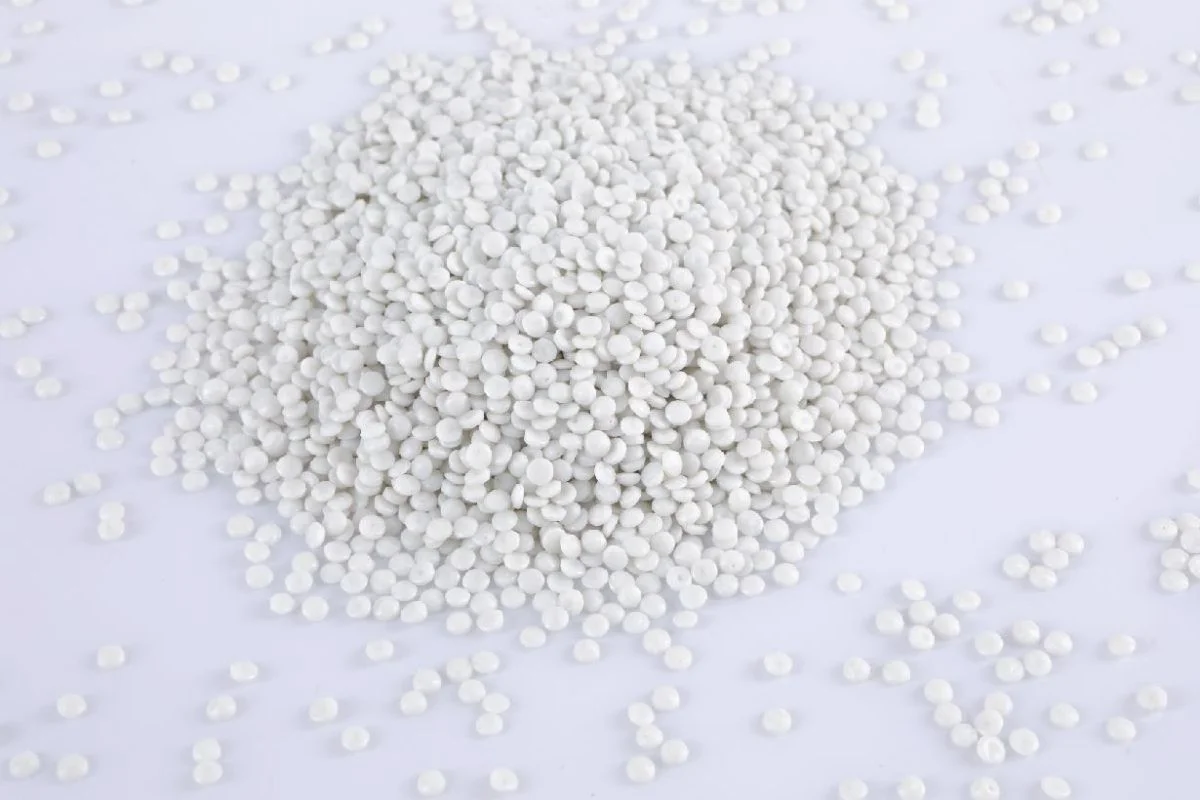
Recycled Plastic (PCR) plays a critical role in modern waste management by enabling post-consumer plastic waste to be recovered and converted into reusable raw material through structured recycling processes. As sustainability and circular economy models gain importance, PCR-based solutions support environmentally responsible production practices.
In this context, recycled plastic (PCR – Post-Consumer Recycled Plastic) plays a key role in sustainable waste management and circular economy models. PCR plastics are obtained by recovering plastic materials that have already completed their consumer use cycle and reprocessing them into usable raw materials. This approach reduces dependency on virgin resources while supporting environmentally responsible production practices.
Through integrated recovery and recycling processes, companies like Burkasan contribute to transforming post-consumer plastic waste into valuable secondary raw materials aligned with sustainability goals.
Table of Contents
- What Is Recycled Plastic (PCR)?
- Understanding the PCR Recycling Approach
- Plastic Recovery and Recycling Processes
- Source Separation of Plastic Waste
- Industrial-Scale PCR Plastic Production
- Applications of Recycled Plastic Materials
- PCR Plastic and Sustainability
- PCR Solutions in Corporate Waste Management
- Frequently Asked Questions
- Conclusion
What Is Recycled Plastic (PCR)?
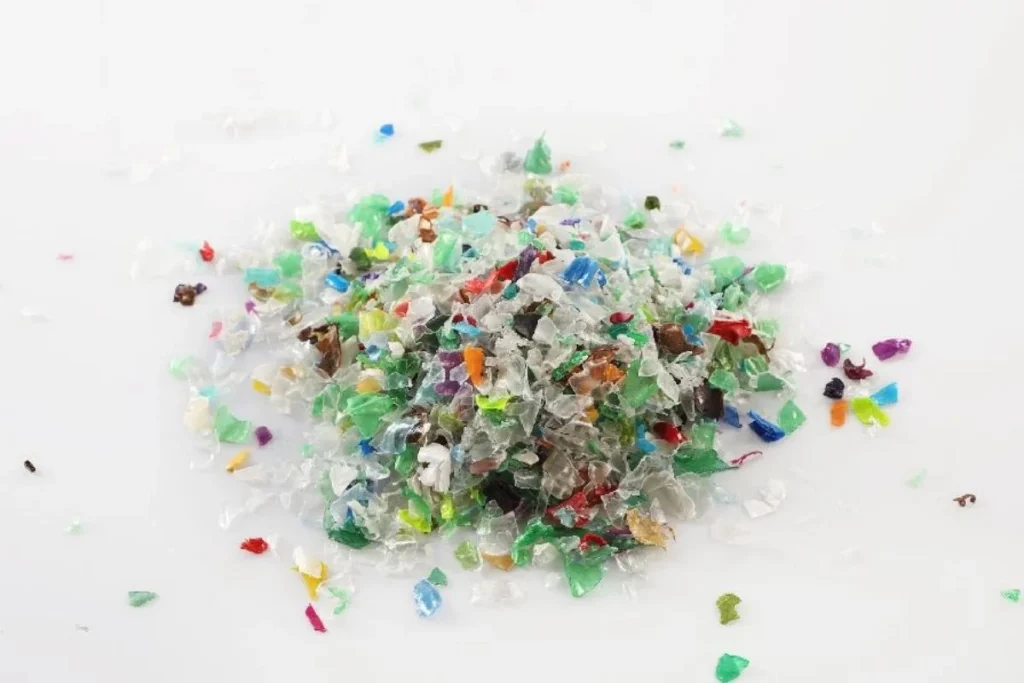
Recycled plastic (PCR) refers to plastic materials that are recovered after consumer use and processed through recycling systems to be reintroduced into manufacturing cycles. These materials originate from products such as packaging, containers, industrial plastics, and various consumer goods.
Unlike virgin plastics produced directly from fossil-based raw materials, PCR plastics are derived from existing plastic waste. This distinction significantly reduces environmental impact by lowering energy consumption, greenhouse gas emissions, and natural resource use.
PCR plastics are widely recognized as an effective solution for reducing plastic waste accumulation while maintaining material performance suitable for industrial and environmental applications.
Understanding the PCR Recycling Approach
The PCR recycling approach focuses specifically on post-consumer plastic waste, meaning plastics that have already been used and discarded by consumers. This differentiates PCR from pre-consumer recycling, which involves manufacturing scraps or production waste.
Key characteristics of the PCR approach include:
- Recovery of consumer-used plastic materials
- Conversion of waste into reusable raw material
- Reduction of landfill dependency
- Support for circular economy principles
By closing the material loop, PCR plastics help extend the lifecycle of plastic resources and promote responsible consumption patterns.
Plastic Recovery and Recycling Processes
The production of recycled plastic involves structured recovery and recycling processes designed to ensure material quality and environmental compliance. Each step in the process directly affects the performance and usability of the final PCR material.
Core stages of plastic recovery include:
- Collection of plastic waste
- Sorting by polymer type and quality
- Cleaning and removal of contaminants
- Mechanical processing and size reduction
- Transformation into raw material form
These processes allow plastic waste to be reintegrated into production systems without compromising sustainability standards.
Source Separation of Plastic Waste
One of the most critical factors in PCR plastic quality is source separation. When plastic waste is separated at the point of disposal, recycling efficiency increases significantly and contamination risks are reduced.
Benefits of source separation include:
- Higher recycling efficiency
- Improved material quality
- Reduced processing costs
- Lower energy consumption
Source separation is particularly important in industrial facilities and corporate waste management systems, where large volumes of plastic waste are generated regularly.
Industrial-Scale PCR Plastic Production
Industrial-scale PCR plastic production requires advanced infrastructure, technical expertise, and regulatory compliance. Large quantities of post-consumer plastic waste must be processed under controlled conditions to ensure consistent quality and supply.
Industrial PCR production focuses on:
- Standardized material output
- Continuous raw material availability
- Environmental impact monitoring
- Compliance with waste management regulations
Through integrated recovery systems, PCR plastics become reliable alternatives to virgin materials in many industrial applications.
Applications of Recycled Plastic Materials
Recycled plastic materials are used across a wide range of sectors due to their durability and environmental benefits. PCR plastics offer functional performance while supporting sustainable material sourcing.
Common application areas include:
- Waste management equipment
- Industrial storage and logistics products
- Urban furniture and infrastructure elements
- Environmental and landscaping solutions
These applications demonstrate that recycled plastic can meet both technical and sustainability requirements.
PCR Plastic and Sustainability
PCR plastics are essential components of sustainable production and consumption strategies. By transforming waste into raw material, PCR supports circular economy models that prioritize resource efficiency and waste reduction.
Sustainability benefits of PCR plastics include:
- Reduced use of natural resources
- Lower carbon footprint
- Decreased landfill waste
- Support for environmental compliance policies
As sustainability regulations and environmental awareness continue to grow, PCR plastics play an increasingly important role in long-term environmental strategies.
PCR Solutions in Corporate Waste Management
Corporate waste management requires structured systems that align with environmental regulations and sustainability targets. PCR-based solutions help organizations manage plastic waste more effectively while improving environmental performance.
Advantages of PCR solutions for organizations include:
- Optimized waste management processes
- Enhanced environmental reporting
- Support for corporate sustainability goals
By implementing recovery-oriented waste systems, companies contribute to responsible resource use and environmental protection.
Frequently Asked Questions
What does PCR plastic mean?
PCR plastic refers to plastic materials recovered from post-consumer waste and recycled into usable raw materials.
Why is PCR plastic important for sustainability?
It reduces dependence on virgin resources and supports circular economy principles by reusing existing materials.
Where are PCR plastics commonly used?
They are used in waste management systems, industrial products, urban infrastructure, and environmental applications.
Does PCR plastic help reduce environmental impact?
Yes. PCR plastics lower carbon emissions, reduce landfill waste, and promote resource efficiency.
Conclusion
Recycled plastic (PCR) represents a sustainable and responsible approach to plastic waste management. By recovering post-consumer plastic waste and reintroducing it into production cycles, PCR plastics reduce environmental impact while supporting circular economy objectives.
Through structured recovery and recycling processes, PCR plastics transform waste into valuable resources. Integrated systems developed by Burkasan demonstrate how environmentally compliant recovery solutions can support sustainable production and long-term environmental goals.