
Introduction
A deposit return machine is one of the most critical components of modern waste management systems. As the consumption of plastic, glass, and metal packaging continues to increase, the need for structured recycling solutions has become inevitable. Instead of relying solely on voluntary recycling habits, countries are now implementing deposit-based systems that encourage active participation.
For a more detailed overview of the system in Türkiye, you can explore our guide on the mandatory deposit return system in Turkey.
Within this framework, a deposit return machine not only promotes recycling behavior but also creates a measurable and traceable waste collection system. In Türkiye, with the transition toward a mandatory deposit system, these machines are becoming increasingly important for both businesses and consumers.
For a more comprehensive understanding of the system, you can review our detailed guide on the mandatory deposit system.
Table of Contents
- What Is a Deposit Return Machine?
- How Does a Deposit Return Machine Work?
- The Logic Behind Deposit Systems
- Types of Deposit Return Machines
- Advantages for Businesses
- Environmental Impact and Sustainability
- Deposit Return System in Türkiye
- Installation and Management
- Burkasan’s Role in Deposit Systems
- Future of Deposit Return Machines
- Frequently Asked Questions
- Conclusion
What Is a Deposit Return Machine?
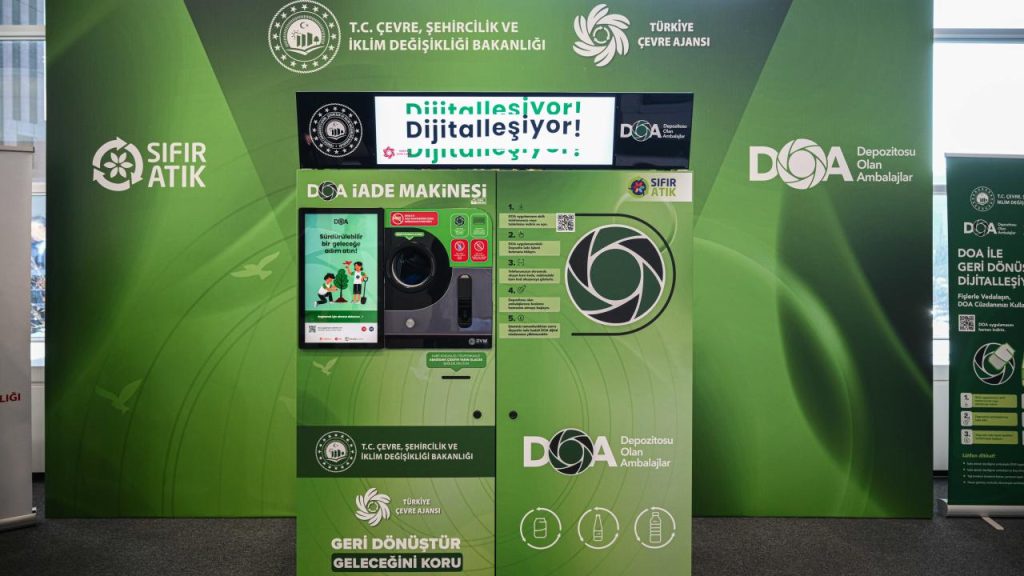
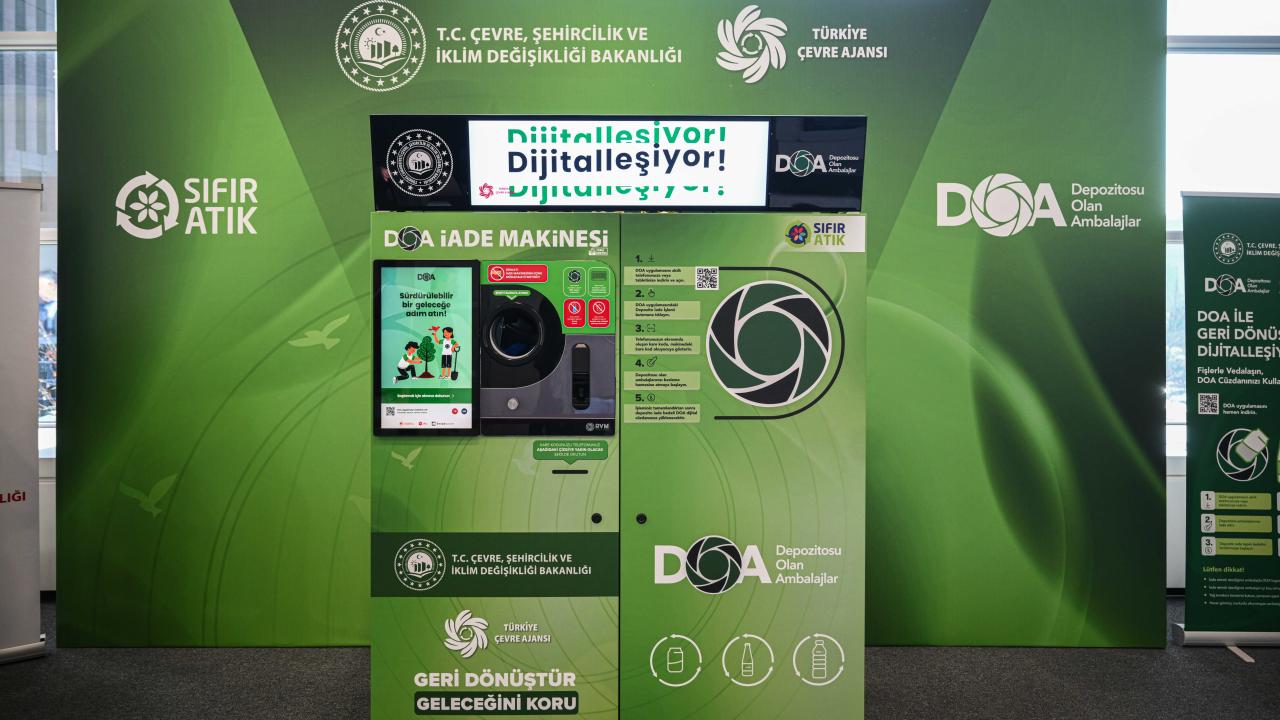
A deposit return machine is an automated system designed to collect used beverage containers such as plastic bottles, glass bottles, and aluminum cans. In exchange for returning these items, users receive a refund of the deposit they initially paid when purchasing the product.
Unlike traditional recycling bins, these machines offer a direct financial incentive, which significantly increases participation rates. They are equipped with barcode scanners and material recognition technologies to ensure that only eligible containers are accepted.
How Does a Deposit Return Machine Work?
The operation of a deposit return machine follows a simple yet efficient process:
- The user inserts an empty container into the machine
- The system scans the barcode and verifies eligibility
- The material type and condition are checked
- The machine calculates the deposit value
- The user receives compensation via voucher, cash, or digital credit
This fully automated process ensures accuracy, prevents fraud, and allows for detailed tracking of collected materials.
The Logic Behind Deposit Systems
The deposit system operates on a simple principle: incentivizing returns rather than penalizing waste. Consumers pay a small deposit fee when purchasing a beverage. Once the container is returned, the fee is refunded.
This approach delivers several benefits:
- Reduces environmental pollution
- Increases recycling rates
- Encourages responsible consumption
- Supports circular economy models
The deposit return machine serves as the physical interface of this system.
Types of Deposit Return Machines
Deposit return machines vary depending on capacity and usage:
Standard Machines
Commonly used in small retail stores and supermarkets.
High-Capacity Machines
Designed for shopping malls and high-traffic areas.
Compact Units
Ideal for locations with limited space.
Industrial Systems
Used in recycling facilities for large-scale processing.
This variety ensures flexibility across different operational needs.
Advantages for Businesses
Implementing deposit return machines provides significant advantages for businesses:
- Increases customer traffic
- Enhances brand reputation
- Supports sustainability goals
- Simplifies waste management processes
- Ensures regulatory compliance
Businesses adopting these systems position themselves as environmentally responsible organizations.
Environmental Impact and Sustainability
Deposit return machines play a vital role in environmental protection. By ensuring proper waste collection, they help:
- Prevent plastic pollution
- Increase material recovery rates
- Reduce carbon emissions
- Save energy in production cycles
These systems are especially effective in reducing waste leakage into oceans and natural ecosystems.
Deposit return systems significantly reduce environmental impact by increasing recycling rates and minimizing waste leakage into nature. According to the Ellen MacArthur Foundation, these systems are essential for building an efficient circular economy.
Deposit Return System in Türkiye
Türkiye has initiated a nationwide deposit return system to improve recycling efficiency. This system is managed by Türkiye Çevre Ajansı and supported by government regulations.
Under this framework:
- Producers are required to participate
- Specific packaging types are included
- Recycling processes are monitored
Deposit return machines are essential for implementing this system effectively across the country.
Installation and Management
Proper installation and management are critical for optimal performance:
- Selecting high-traffic locations
- Ensuring infrastructure compatibility
- Providing easy user access
- Integrating data systems
Regular maintenance and monitoring ensure long-term efficiency and reliability.
Burkasan’s Role in Deposit Systems
Burkasan provides advanced solutions in waste management and recycling infrastructure. The company supports businesses in integrating deposit return machines into their operations efficiently.
With its expertise in industrial waste management, Burkasan contributes to building sustainable systems that align with environmental regulations and corporate responsibility goals.
Future of Deposit Return Machines
With technological advancements, deposit return machines are evolving rapidly. Future developments include:
- AI-based recognition systems
- Mobile app integrations
- Blockchain-based tracking
- Smart city infrastructure compatibility
These innovations will make recycling systems more efficient, transparent, and user-friendly.
Frequently Asked Questions
What materials are accepted by deposit return machines?
Plastic, glass, and aluminum beverage containers are typically accepted.
Is there a fee for using these machines?
No, users receive their deposit back when they return containers.
Are deposit systems mandatory?
In Türkiye, certain product categories are becoming mandatory under new regulations.
Where can I find deposit return machines?
They are commonly located in supermarkets, malls, and public spaces.
How do these machines help the environment?
They increase recycling rates and prevent waste from polluting nature.
Conclusion
Deposit return machines are a cornerstone of modern recycling systems. They not only improve waste collection efficiency but also promote sustainable consumer behavior through financial incentives.
With the expansion of mandatory deposit systems in Türkiye, these machines will become even more widespread. Businesses and individuals alike benefit from this system, both economically and environmentally.
Through the expertise of companies like Burkasan, deposit return machines are transforming waste management into a structured, efficient, and sustainable process.