
Introduction
With increasing consumption habits today, packaging waste is growing rapidly. Especially the uncontrolled disposal of plastic, glass, and metal packaging significantly increases soil, water, and air pollution. At this point, the environmental effects of the deposit system have become highly important for sustainable waste management.
The deposit system is an effective recovery model that encourages consumers to return the packaging they use. Thanks to this system, recycling rates increase while natural resource consumption decreases. At the same time, it contributes to reducing carbon emissions.
Especially for industrial organizations, municipalities, and companies operating in environmental management, deposit systems are no longer just a preference but also an important part of environmental responsibility. Professional waste management companies like Burkasan contribute significantly to this process by offering sustainable solutions.
Table of Contents
- What Is a Deposit System?
- What Are the Environmental Effects of the Deposit System?
- Contribution to Waste Reduction
- Increase in Recycling Rates
- Reduction of Carbon Footprint
- Protection of Natural Resources
- Contribution to Zero Waste Goals
- Importance for Industry and Businesses
- Effective Waste Management with Burkasan
- Frequently Asked Questions
- Conclusion
What Is a Deposit System?
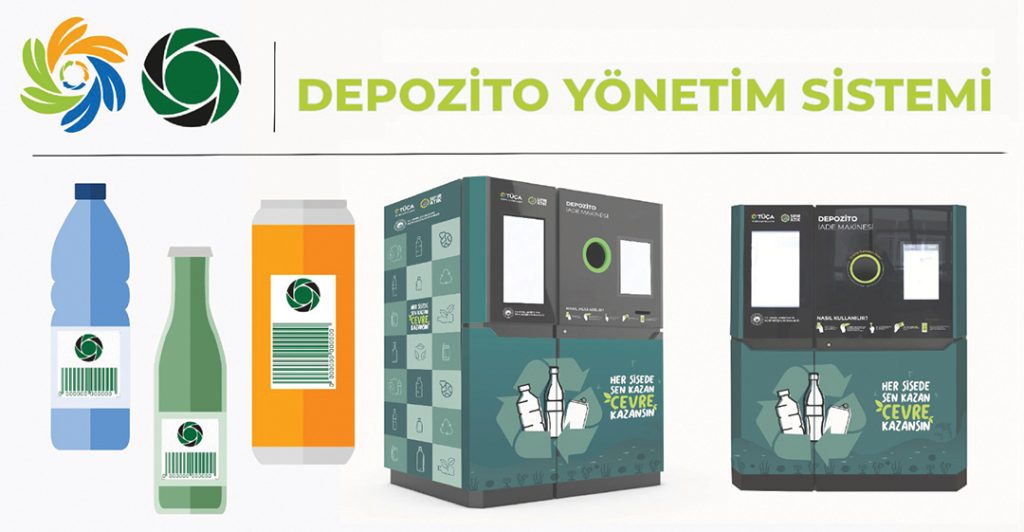
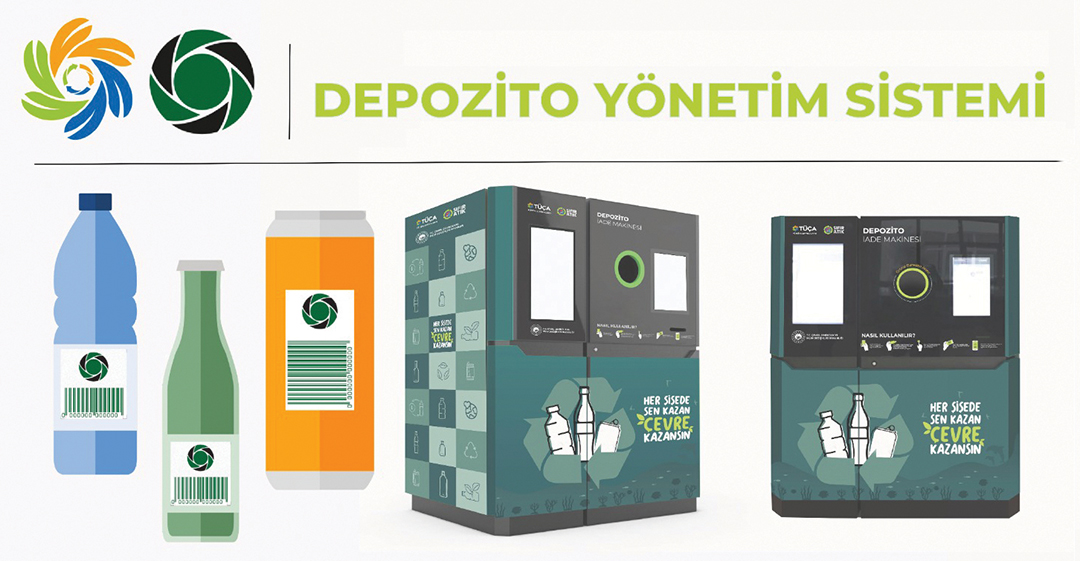
The deposit system is based on charging consumers an additional fee during the sale of certain packaged products and refunding this fee when the packaging is returned.
This system is especially applied to the following packaging types:
- Plastic bottles
- Glass bottles
- Aluminum cans
- Metal beverage packaging
- Special recyclable packaging
The main purpose is to prevent packaging from going directly to waste and ensure its controlled inclusion in the recycling chain. For more detailed information about the mandatory deposit return system in Turkey, you can also review our article on the mandatory deposit return system.
This method actively involves both individual consumers and commercial businesses in the process.
What Are the Environmental Effects of the Deposit System?
The environmental effects of the deposit system are quite extensive. The system not only increases recycling but also reduces environmental pollution, saves energy, and supports sustainable production models.
Direct impacts are especially seen in the following areas:
- Reduction of packaging waste
- Formation of regular recovery processes
- Decrease in natural resource consumption
- Reduction in energy use
- Control of carbon emissions
- Support for zero waste goals
For this reason, many countries are transitioning to mandatory deposit systems.
Contribution to Waste Reduction
Packaging waste is one of the biggest sources of environmental pollution. Especially single-use plastic products remain in nature for many years without decomposing.
Thanks to the deposit system, consumers are encouraged to return packaging. This significantly reduces the amount of waste left in nature.
The following problems are greatly reduced:
- Street and environmental pollution
- Pollution of seas and water resources
- Increase in illegal dumping areas
- Burden on regular landfill sites
This system turns environmental cleanliness into a shared responsibility of society, not only municipalities.
Increase in Recycling Rates
One of the biggest problems of recycling systems is the inability to separate waste correctly. The deposit model solves this problem to a great extent.
Because the packaging returns directly to the system in a controlled way, cleaner, higher-quality, and more efficient recycling becomes possible.
Its advantages include:
- Lower separation costs
- Higher recycling quality
- Increased raw material recovery
- Easier reuse for industry
Professional waste management companies like Burkasan ensure the efficient operation of this recovery chain.
Reduction of Carbon Footprint
Producing new packaging requires high energy consumption. Especially plastic and aluminum production causes serious carbon emissions.
When recovered packaging is included again in the production process through the deposit system, energy demand decreases. This directly reduces the carbon footprint.
For example:
- Recycled aluminum production requires much less energy
- Reusing glass bottles provides energy savings
- Plastic recycling reduces petroleum consumption
For this reason, the environmental effects of the deposit system are extremely important in combating climate change.
Protection of Natural Resources
Continuous raw material use is required for new production. Petroleum, sand, metal ores, and water resources are heavily consumed during this process.
The deposit system supports the reuse of existing resources. Thus, natural resources are protected and the sustainable production model becomes stronger.
The main protected resources are:
- Petroleum and derivatives
- Water resources
- Metal reserves
- Natural minerals for glass production
- Energy resources
This approach provides a strong advantage both economically and environmentally.
Contribution to Zero Waste Goals
Zero waste policies are becoming increasingly important in Turkey. The deposit system is one of the most important supporting elements of these goals. For official information about environmental policies and mandatory deposit return systems, you can also review the resources provided by the Republic of Türkiye Ministry of Environment, Urbanization and Climate Change.
Because the system:
- Ensures waste separation at the source
- Increases recycling rates
- Reduces waste disposal costs
- Raises environmental awareness
- Strengthens corporate sustainability
Especially for large-scale businesses, this system provides a major advantage in terms of compliance with environmental regulations.
Burkasan provides professional consultancy and implementation support for businesses to achieve their zero waste goals.
Importance for Industry and Businesses
Industrial organizations produce high amounts of packaging waste. Therefore, deposit systems are critical not only for individual users but also for corporate structures.
Advantages for businesses include:
- Reduction in waste management costs
- Easier environmental permit processes
- Advantages in sustainability reporting
- Stronger corporate reputation
- Increased legal compliance
Working with licensed waste management companies makes a major difference in this process.
Burkasan professionally manages deposit and recovery processes with solutions specially developed for industrial organizations.
Effective Waste Management with Burkasan
Successfully implementing the deposit system requires more than just system installation. The process must be professionally monitored.
Burkasan supports businesses in the following areas:
- Waste separation processes
- Recovery planning
- Compliance with environmental regulations
- Licensed disposal services
- Zero waste management
- Corporate sustainability solutions
This allows businesses not only to fulfill legal obligations but also to manage their environmental responsibilities effectively.
Frequently Asked Questions
How does the deposit system contribute to the environment?
The deposit system ensures that packaging is included in the recycling chain in a controlled way. This reduces environmental pollution, protects natural resources, and increases recycling rates.
What types of waste are included in the deposit system?
Generally, plastic bottles, glass bottles, aluminum cans, and metal beverage packaging are included in the deposit system.
Does the deposit system reduce carbon emissions?
Yes. Reusing recycled packaging requires much less energy compared to new production. This significantly reduces carbon emissions.
Is the deposit system mandatory for businesses?
It may vary depending on the sector and regulations. However, it is highly important for environmental management, zero waste goals, and sustainability policies.
How does Burkasan support the deposit system?
Burkasan provides professional solutions in waste management, recovery planning, licensed disposal processes, and compliance with environmental regulations.
Conclusion
The environmental effects of the deposit system are not limited to recycling alone. This system reduces environmental pollution, protects natural resources, saves energy, and creates a strong foundation for a sustainable future.
Especially for industrial organizations and large-scale businesses, deposit systems are no longer an environmental preference but a strategic necessity. Properly planned and professionally managed processes provide both economic and environmental benefits.
Working with expert waste management companies like Burkasan is one of the strongest steps in this transformation. Because a sustainable future begins with proper waste management.