
Introduction
The deposit application in Turkey has emerged as a strategic solution to transform waste management and recycling processes. As the consumption of plastic, glass, and metal beverage packaging continues to increase, environmental pollution, carbon emissions, and resource depletion have become critical global concerns. Therefore, Turkey has introduced a structured, traceable, and incentive-based deposit system instead of relying solely on traditional recycling methods.
Within the deposit application in Turkey, consumers pay a small deposit fee when purchasing beverages packaged in recyclable materials. Once the product is consumed, the packaging can be returned to designated collection points, and the deposit fee is refunded. This system encourages responsible consumer behavior while significantly improving recycling rates and reducing environmental impact.
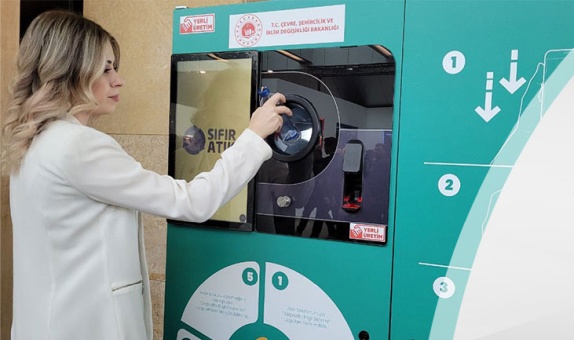
Table of Contents
- What Is the Deposit Application in Turkey?
- The Core Logic of the Deposit System
- Scope of the Deposit System in Turkey
- Which Packaging Types Are Included?
- How the Deposit Return Process Works
- Advantages of the Deposit Application in Turkey
- Environmental Impact and Sustainability Benefits
- Economic Contributions and Resource Efficiency
- Impact on Businesses and Industry
- Role of Technology in Deposit Systems
- Future of the Deposit Application in Turkey
- Professional Waste Management with Burkasan
- Frequently Asked Questions
- Conclusion
What Is the Deposit Application in Turkey?
The deposit application in Turkey is a system designed to ensure the efficient collection and recycling of beverage packaging. Consumers are charged a small deposit fee when purchasing products in recyclable containers such as plastic bottles, glass bottles, or aluminum cans. When these containers are returned, the deposit fee is refunded.
This approach transforms waste into a valuable resource. Instead of being discarded, packaging materials are collected, processed, and reintroduced into production cycles. As a result, the system supports a circular economy model and reduces environmental pollution.
The Core Logic of the Deposit System
The deposit application in Turkey operates on a simple but highly effective cycle. The goal is to incentivize consumers to return packaging instead of disposing of it improperly.
The process includes:
- Paying a deposit fee during purchase
- Consuming the product
- Returning the empty packaging
- Receiving the deposit refund
This structure directly influences consumer behavior. Instead of throwing packaging away, individuals are motivated to return it, which significantly increases recycling rates.
Scope of the Deposit System in Turkey
The deposit application in Turkey primarily focuses on beverage packaging with high recycling potential. The system is designed to expand gradually and include more packaging types over time.
The current scope includes:
- Plastic beverage bottles
- Glass bottles
- Aluminum cans
- Single-use beverage packaging
By targeting these materials, the system ensures maximum efficiency in collection and recycling processes.
Which Packaging Types Are Included?
Not all packaging is included in the deposit system. The deposit application in Turkey focuses on materials that can be easily collected and recycled.
Included packaging types:
- PET plastic bottles
- Glass beverage bottles
- Aluminum beverage cans
- Soft drink and water packaging
Excluded packaging types may include multi-layer materials or non-recyclable packaging, as they are more difficult to process efficiently.
How the Deposit Return Process Works
The deposit return process is designed to be user-friendly and accessible. Consumers can easily return their packaging through automated machines or collection points.
The steps include:
- Ensuring the packaging is empty and undamaged
- Taking it to a return point
- Scanning or inserting the packaging into a machine
- Receiving the deposit refund
This streamlined process increases user participation and ensures higher collection rates.
Advantages of the Deposit Application in Turkey
The deposit application in Turkey provides multiple benefits for individuals, businesses, and the environment.
Key advantages include:
- Increased recycling rates
- Reduction in environmental pollution
- Conservation of natural resources
- Economic value generation from waste
- Lower waste management costs
These benefits make the system an essential component of sustainable development strategies.
Environmental Impact and Sustainability Benefits
One of the most significant outcomes of the deposit application in Turkey is its positive environmental impact. The system helps reduce waste leakage into nature and minimizes carbon emissions.
Environmental contributions include:
- Reduced plastic pollution in oceans and land
- Lower greenhouse gas emissions
- Efficient use of natural resources
- Energy savings in production processes
By supporting recycling and reuse, the system contributes to long-term environmental sustainability.
Economic Contributions and Resource Efficiency
Beyond environmental benefits, the deposit application in Turkey creates strong economic value. Recovered materials can be reused in manufacturing, reducing the need for raw materials.
Economic impacts include:
- Reduced production costs
- Growth of the recycling industry
- Job creation in waste management
- Increased resource efficiency
This model aligns with circular economy principles and supports sustainable economic growth.
Impact on Businesses and Industry
The deposit application in Turkey plays a critical role in shaping business operations. Companies must adapt to new regulations and integrate sustainable practices into their processes.
Benefits for businesses include:
- Improved corporate sustainability performance
- Compliance with environmental regulations
- Enhanced brand reputation
- Reduced waste-related costs
Companies that adopt the system effectively gain a competitive advantage.
Role of Technology in Deposit Systems
Technology plays a crucial role in the success of modern deposit systems. In Turkey, digital solutions are increasingly integrated into the process.
Technological components include:
- Reverse vending machines
- Barcode and QR code tracking systems
- Data analytics platforms
- Digital refund systems
These technologies improve efficiency, transparency, and traceability.
Future of the Deposit Application in Turkey
The deposit application in Turkey is expected to expand and evolve in the coming years. New regulations and technological innovations will further strengthen the system.
Future developments may include:
- Expansion to additional packaging types
- Integration with smart city systems
- Increased digitalization of processes
- Higher recycling targets
These advancements will enhance the overall effectiveness of the system.
Professional Waste Management with Burkasan
Effective implementation of the deposit application in Turkey requires professional waste management solutions. Burkasan provides integrated services that support businesses in adapting to the system.
Burkasan offers:
- Licensed waste management services
- Optimization of recycling processes
- Full compliance with environmental regulations
- Safe handling of industrial waste
By working with Burkasan, companies can ensure efficient and sustainable waste management practices.
Frequently Asked Questions
When was the deposit application in Turkey introduced?
The system has been gradually implemented and continues to expand across the country.
Which products are included in the deposit system?
Plastic bottles, glass bottles, and aluminum cans are typically included.
How do consumers receive their deposit back?
By returning packaging to collection points or machines.
Is the deposit system mandatory?
Yes, it applies to specific packaging types defined by regulations.
Does the system benefit the environment?
Yes, it significantly reduces waste and increases recycling rates.
Conclusion
The deposit application in Turkey represents a transformative approach to waste management and sustainability. By encouraging consumers to return packaging and supporting recycling processes, the system reduces environmental impact while creating economic value.
As the system continues to expand, its effectiveness will increase further. When combined with professional waste management solutions such as those offered by Burkasan, the deposit system becomes a powerful tool for achieving long-term sustainability goals.