
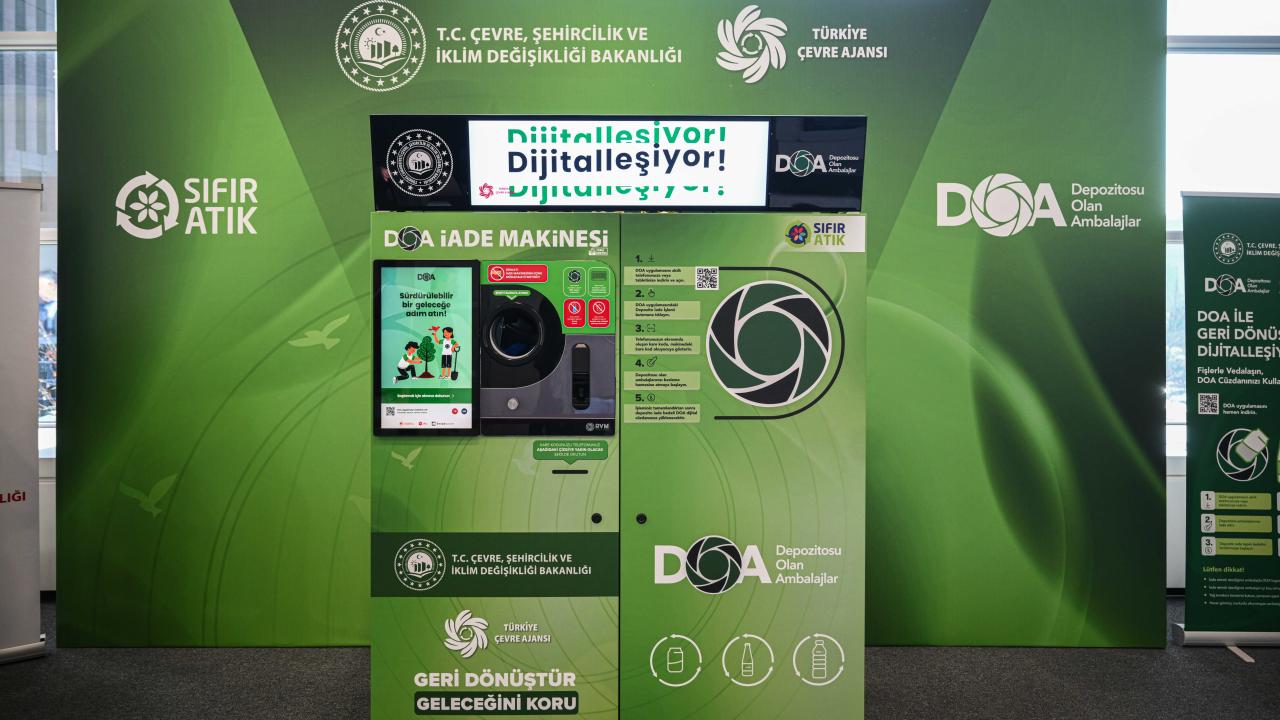
Introduction
The advantages of the deposit return system have positioned it as one of the most effective tools within modern sustainability strategies and circular economy models. As consumption continues to rise globally, managing packaging waste efficiently is no longer optional—it is a necessity. The deposit return system introduces a structured and incentive-driven approach that encourages consumers to actively participate in recycling processes.
By attaching a refundable value to packaging, this system ensures that materials such as plastic, glass, and aluminum are collected systematically instead of being discarded into the environment. As a result, businesses reduce waste management costs, while societies benefit from cleaner ecosystems and improved resource efficiency. In this comprehensive guide, we will examine the advantages of the deposit return system in detail, covering its environmental, economic, and operational impacts.
Table of Contents
- What Is a Deposit Return System?
- How Does the Deposit Return System Work?
- Key Advantages of the Deposit Return System
- Environmental Benefits of the Deposit Return System
- Economic Contributions of the Deposit Return System
- Importance for Businesses
- Impact on Consumer Behavior
- Role in the Circular Economy
- Future of the Deposit Return System in Turkey
- Integrated Waste Management with Burkasan
- Frequently Asked Questions
- Conclusion
1. What Is a Deposit Return System?
A deposit return system is a structured mechanism in which consumers pay a small deposit when purchasing a product and receive it back upon returning the empty packaging. This system is designed to increase recycling rates and reduce environmental pollution.
The advantages of the deposit return system stem from its ability to create a financial incentive. Unlike traditional recycling models, it actively motivates individuals to return used packaging instead of discarding it.
2. How Does the Deposit Return System Work?
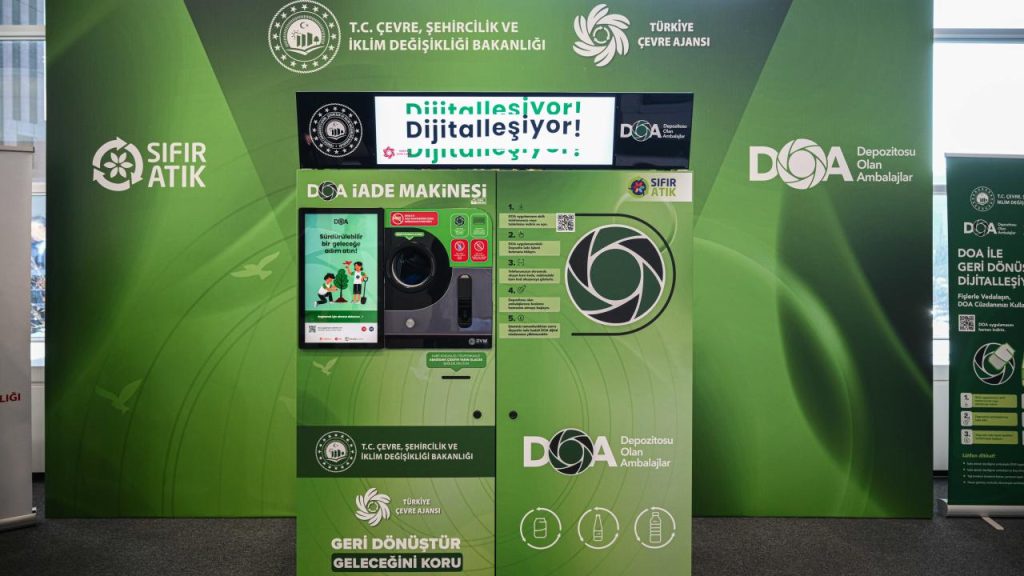
The system operates through a closed-loop cycle that connects consumption with recycling.
Basic process:
- A consumer purchases a product and pays a deposit
- The packaging is used and kept after consumption
- The empty packaging is returned to a collection point
- A machine or operator verifies the item
- The deposit is refunded to the consumer
This simple yet effective cycle ensures high participation rates and improved collection efficiency.
3. Key Advantages of the Deposit Return System
The advantages of the deposit return system extend across multiple dimensions, including environmental sustainability, economic efficiency, and behavioral change.
Core advantages:
- Significantly increases recycling rates
- Reduces litter and environmental pollution
- Encourages responsible consumer behavior
- Improves material recovery quality
- Lowers overall waste management costs
These benefits make the system more effective than conventional recycling approaches.
4. Environmental Benefits of the Deposit Return System
One of the most critical advantages of the deposit return system is its positive environmental impact. It minimizes waste leakage into nature and supports ecosystem protection.
Environmental contributions:
- Reduces plastic pollution
- Protects marine and terrestrial ecosystems
- Lowers greenhouse gas emissions
- Decreases reliance on virgin raw materials
- Saves energy in production processes
By ensuring that valuable materials remain within the production cycle, the system contributes directly to sustainability goals.
5. Economic Contributions of the Deposit Return System
Beyond environmental gains, the deposit return system provides substantial economic advantages. Recovered materials reduce the need for raw resource extraction and lower production costs.
Economic benefits:
- Reduces raw material costs
- Creates new employment opportunities
- Strengthens the recycling industry
- Decreases municipal waste management expenses
- Supports local economies
As a result, the system not only protects the environment but also drives economic growth.
6. Importance for Businesses
For businesses, the advantages of the deposit return system go beyond compliance. It offers strategic benefits that enhance brand positioning and operational efficiency.
Business benefits:
- Strengthens corporate sustainability image
- Ensures regulatory compliance
- Optimizes waste management processes
- Reduces operational costs
- Creates competitive advantage
Companies that integrate deposit systems into their operations position themselves as environmentally responsible and forward-thinking.
7. Impact on Consumer Behavior
The deposit return system plays a transformative role in shaping consumer behavior. By linking financial incentives to recycling, it turns passive consumers into active participants.
Consumers become more conscious of their environmental impact and develop long-term sustainable habits. This behavioral shift is one of the most powerful advantages of the deposit return system.
8. Role in the Circular Economy
The deposit return system is a key driver of the circular economy. It ensures that materials are reused rather than discarded, creating a continuous loop of resource utilization.
This model reduces waste generation while maximizing the value extracted from materials. It also aligns with global sustainability targets and environmental policies.
9. Future of the Deposit Return System in Turkey
Turkey is rapidly advancing in the implementation of deposit return systems. Government policies and infrastructure investments are accelerating the adoption process.
The advantages of the deposit return system will become more visible as collection networks expand and consumer awareness increases. In the near future, the system is expected to play a central role in national waste management strategies.
10. Integrated Waste Management with Burkasan
Partnering with an experienced waste management provider is essential for maximizing the efficiency of deposit return systems. Burkasan offers comprehensive solutions that integrate collection, sorting, and recycling processes.
With its expertise in industrial waste management, Burkasan helps businesses streamline their operations, ensure regulatory compliance, and achieve sustainability targets. By working with Burkasan, companies can implement deposit systems more effectively and efficiently.
11. Frequently Asked Questions
What are the main advantages of the deposit return system?
It increases recycling rates, reduces environmental pollution, and provides economic benefits.
Why is the deposit return system important?
It ensures controlled waste collection and promotes sustainable resource management.
Which products are included in the system?
Typically plastic bottles, glass containers, and aluminum cans are included.
How do consumers benefit from the system?
Consumers receive a refund when they return eligible packaging.
How does it help the environment?
It prevents waste from entering natural ecosystems and supports recycling.
Conclusion
The advantages of the deposit return system make it one of the most effective solutions for modern waste management challenges. By combining environmental responsibility with economic incentives, the system creates a sustainable and scalable model.
As adoption continues to grow, both businesses and consumers will play a crucial role in its success. Leveraging professional partners like Burkasan ensures that this transition is efficient, compliant, and impactful. Ultimately, the deposit return system is not just a recycling method—it is a cornerstone of a sustainable future.