
Introduction
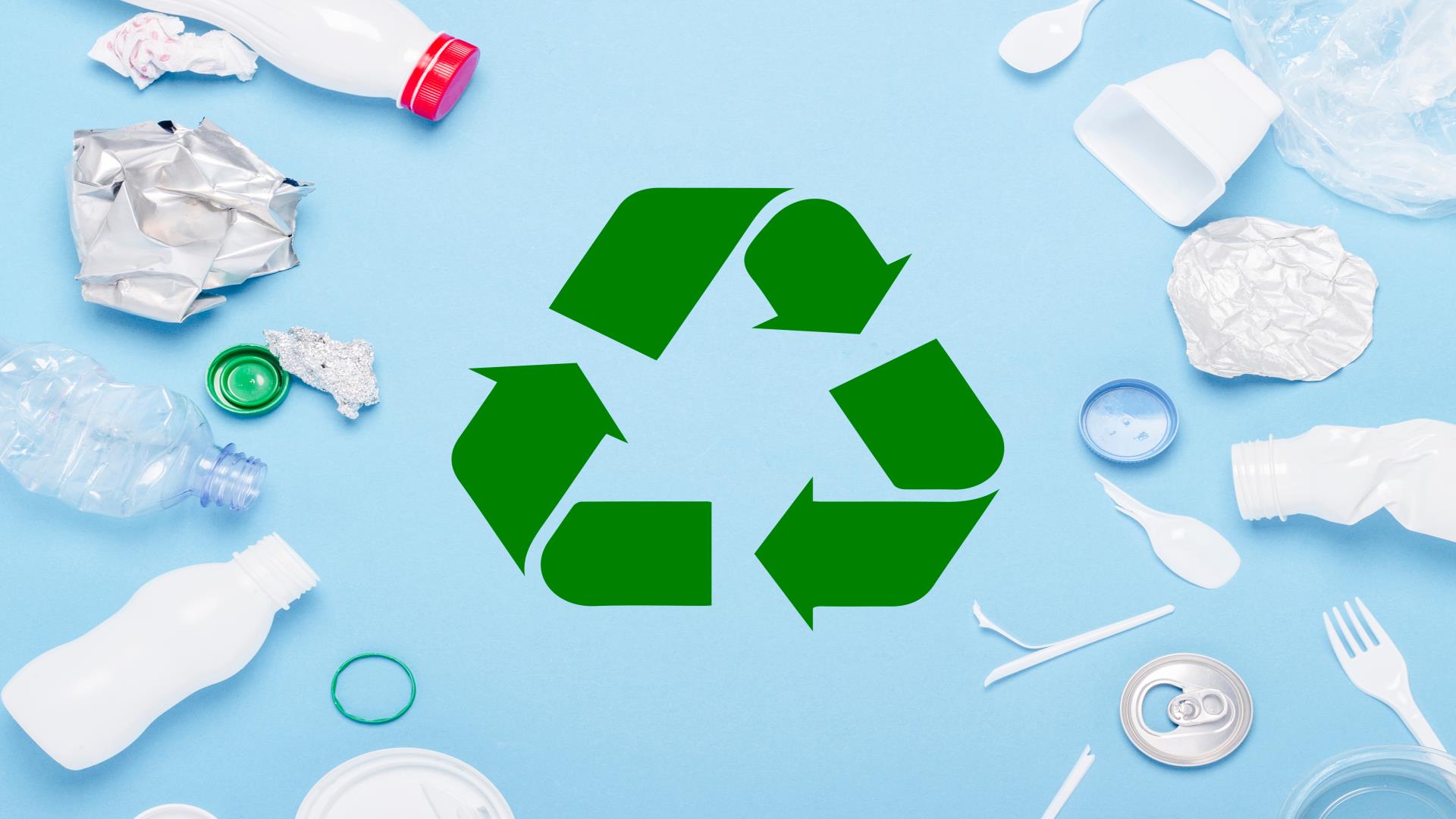
With the rapid growth of global consumption and industrial production, waste generation has increased significantly. Traditional waste management practices are no longer sufficient to handle the growing volume of waste materials. For this reason, governments, institutions, and industries are shifting toward more sustainable systems that encourage recycling and responsible resource management. One of the most effective approaches developed in recent years is the recycling incentive model.
The recycling incentive model is a structured system designed to motivate individuals, businesses, and institutions to participate actively in recycling processes. Instead of relying solely on voluntary environmental awareness, this model introduces financial, operational, or behavioral incentives that encourage the proper separation, collection, and recovery of recyclable materials.
By creating a system where waste becomes a valuable resource, recycling incentive programs support the transition toward a circular economy. In this system, materials are reused, recovered, and reintroduced into production cycles instead of being discarded.
Companies specializing in licensed waste management and recovery services play a critical role in implementing these systems. Burkasan, with its professional waste management and recycling services, contributes to the development of sustainable recycling infrastructure and supports businesses in managing industrial waste responsibly.
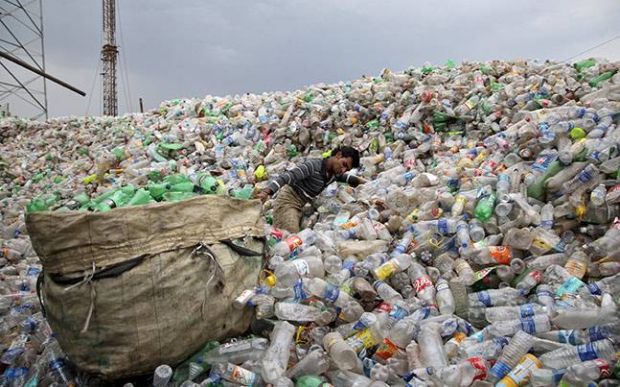
Table of Contents
- What Is the Recycling Incentive Model?
- Objectives of Recycling Incentive Systems
- Types of Recycling Incentive Mechanisms
- Deposit Return Systems as an Incentive Model
- Recycling Incentives in Industrial Waste Management
- Municipal Recycling Incentive Programs
- Environmental and Economic Benefits
- The Current Status of Recycling Incentives in Turkey
- Strategic Implementation for Businesses
- Integrated Waste Management with Burkasan
- Frequently Asked Questions
- Conclusion
What Is the Recycling Incentive Model?
The recycling incentive model refers to a system designed to increase participation in recycling activities by providing tangible benefits to individuals or organizations that contribute to waste recovery.
Instead of treating waste simply as material to be disposed of, this model views waste as a valuable resource that can re-enter production cycles. By encouraging proper waste separation and collection, the system increases recycling rates and reduces environmental pollution.
Key components of a recycling incentive model include:
- Economic rewards for recycling activities
- Organized waste collection infrastructure
- Traceable waste management systems
- Public awareness and participation
- Regulatory support from government institutions
Through these mechanisms, recycling becomes not only an environmental responsibility but also an economically attractive activity.
Objectives of Recycling Incentive Systems
The recycling incentive model is designed to achieve multiple environmental and economic goals simultaneously. These objectives help governments and industries create sustainable waste management systems.
The primary goals include:
- Reducing the volume of waste sent to landfills
- Increasing recycling and material recovery rates
- Conserving natural resources
- Lowering greenhouse gas emissions
- Supporting the development of a circular economy
Additionally, recycling incentive programs promote environmental awareness among citizens and encourage responsible consumption habits.
Types of Recycling Incentive Mechanisms
Different countries and regions implement various incentive systems depending on their waste management infrastructure and environmental policies.
Common recycling incentive mechanisms include:
Financial Incentives
- Deposit refund systems
- Recycling reward programs
- Tax incentives for recycling businesses
- Government subsidies for waste recovery facilities
Behavioral Incentives
- Point-based recycling reward systems
- Digital recycling applications
- Community recycling competitions
Institutional Incentives
- Environmental certification programs
- Sustainability reporting benefits
- Green procurement advantages
These mechanisms encourage individuals and organizations to adopt environmentally responsible waste practices.
Deposit Return Systems as an Incentive Model
One of the most effective examples of incentive-based recycling systems is the deposit return system. In this model, consumers return empty packaging and receive their deposit back. For a detailed explanation of how the system works in Turkey, you can read our guide on the mandatory deposit return system in Turkey.
When the empty container is returned to designated collection points, the deposit is refunded to the consumer. This simple mechanism significantly increases the return rate of recyclable packaging materials.
Benefits of deposit return systems include:
- Higher collection rates for recyclable materials
- Reduced litter and environmental pollution
- Increased recycling quality due to better waste separation
- Greater consumer participation in recycling programs
Many countries that implement deposit systems achieve recycling rates above 90 percent.
For more information about this system, you can explore Burkasan’s detailed guide on the mandatory deposit system.
Recycling Incentives in Industrial Waste Management
Industrial facilities generate significant amounts of waste during production processes. Therefore, implementing recycling incentive systems within industrial operations is crucial for sustainable resource management.
Industries can benefit from recycling incentives in several ways:
- Reduced raw material costs through recovered materials
- Lower waste disposal expenses
- Improved environmental compliance
- Enhanced corporate sustainability reputation
Licensed waste management companies such as Burkasan provide integrated services that help industrial facilities manage their waste streams effectively and comply with environmental regulations.
Frequently Asked Questions
What is a recycling incentive model?
A recycling incentive model is a structured system that encourages individuals and organizations to recycle waste materials by offering financial or operational rewards.
Why are recycling incentives important?
Recycling incentives increase recycling participation, reduce landfill waste, conserve natural resources, and support environmental sustainability.
How do deposit return systems work?
Consumers pay a small deposit when purchasing packaged beverages and receive the deposit back when they return the empty containers for recycling.
Do recycling incentives benefit businesses?
Yes. Businesses can reduce waste management costs, improve environmental performance, and enhance their sustainability image through recycling programs.
Conclusion
The recycling incentive model plays a vital role in modern waste management strategies. By encouraging participation in recycling through financial and behavioral incentives, this system helps reduce environmental pollution, conserve natural resources, and strengthen the circular economy.
Successful implementation requires strong cooperation between governments, municipalities, industries, and licensed waste management companies. Organizations like Burkasan contribute significantly to this process by providing professional waste management and recycling services that support sustainable environmental practices.
As global waste generation continues to grow, adopting effective recycling incentive systems will be essential for building a cleaner, more sustainable future.